Smart Home Devices: Powering Down Energy Bills & Boosting Savings
Understanding the Energy Drain: The Silent Thief in Your Home
Before diving into smart solutions, it’s crucial to understand where your electricity is going. Many homes bleed energy through inefficiencies that go unnoticed. Older appliances, standby power consumption (often called “phantom load”), poor insulation, and inefficient lighting are prime culprits. A smart home approach allows for granular tracking and targeted intervention, offering a significant advantage over traditional methods.
To accurately assess your energy usage, conduct an energy audit. This involves examining your utility bills, identifying energy-intensive appliances, and evaluating your home’s insulation and weatherization. Consider using energy monitoring devices to track individual appliance consumption, providing real-time data for informed decision-making. This data forms the baseline for measuring the effectiveness of any smart home interventions.
Smart Thermostats: The Brains Behind Efficient Climate Control
Smart thermostats are arguably the most impactful smart home devices for energy savings. They learn your heating and cooling patterns, adjusting the temperature automatically based on your schedule, occupancy, and even the weather forecast.
Key Features and Benefits:
- Geofencing: Detects when you’re leaving or returning home and adjusts the temperature accordingly, eliminating wasted energy heating or cooling an empty house.
- Learning Algorithms: Adapts to your preferred temperatures and routines over time, optimizing for comfort and efficiency.
- Remote Control: Allows you to adjust the temperature from anywhere using a smartphone or tablet.
- Scheduling: Creates customized heating and cooling schedules to match your daily life, eliminating manual adjustments.
- Energy Reports: Provides detailed reports on your energy usage, allowing you to identify areas for improvement.
- Integration with Smart Home Ecosystems: Works seamlessly with other smart devices, such as smart windows and smart blinds, for enhanced energy management.
Choosing the Right Smart Thermostat:
Consider factors such as compatibility with your HVAC system, user interface, geofencing capabilities, and integration with other smart home platforms. Popular brands include Nest, Ecobee, Honeywell, and Sensibo. Read reviews and compare features to find the thermostat that best suits your needs and budget. The initial investment is often offset by significant energy savings over time.
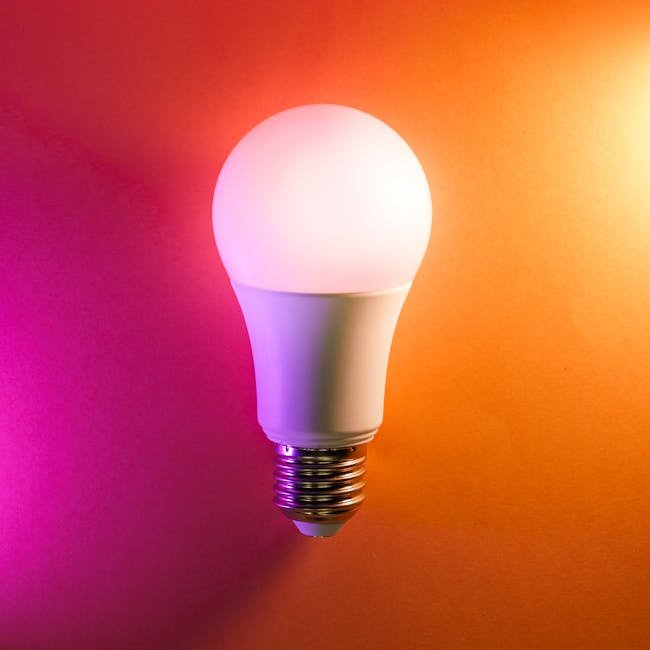
Smart Lighting: Illuminating Savings with Intelligent Control
Traditional incandescent and halogen bulbs are notorious energy hogs. Smart lighting solutions offer a more efficient and customizable alternative.
Benefits of Smart Lighting:
- LED Efficiency: Smart bulbs primarily use LEDs, which consume significantly less energy than traditional bulbs.
- Dimming Capabilities: Allows you to adjust the brightness of lights, reducing energy consumption and creating different ambiances.
- Scheduling and Automation: Sets lights to turn on and off automatically based on time of day, occupancy, or even sunrise/sunset.
- Motion Sensors: Turns lights on only when needed, eliminating wasted energy in unoccupied areas.
- Remote Control: Controls lights from anywhere using a smartphone or voice assistant.
- Color Customization: Some smart bulbs offer a wide range of colors, allowing you to create personalized lighting schemes.
Smart Lighting Strategies:
- Replace Incandescent Bulbs: The easiest and most impactful step is to replace all incandescent and halogen bulbs with smart LED bulbs.
- Utilize Occupancy Sensors: Install motion-activated lights in areas that are not frequently used, such as hallways, closets, and garages.
- Automate Outdoor Lighting: Set outdoor lights to turn on at dusk and off at dawn, or use motion sensors to deter intruders.
- Create Lighting Scenes: Design lighting scenes for different activities, such as reading, watching TV, or entertaining guests, to optimize energy usage.
Smart Plugs and Power Strips: Taming the Phantom Load
Phantom load, also known as vampire power, refers to the energy consumed by devices even when they are turned off. Smart plugs and power strips are designed to eliminate this wasted energy.
How They Work:
- Remote Control: Allows you to turn devices on and off remotely using a smartphone or voice assistant.
- Scheduling: Sets devices to turn on and off automatically based on a schedule.
- Energy Monitoring: Tracks the energy consumption of connected devices, providing insights into phantom load.
- Surge Protection: Protects your devices from power surges and spikes.
Target Devices for Smart Plugs:
- Televisions: Often consume power even when turned off.
- Gaming Consoles: Similar to televisions, they often have a standby mode that consumes energy.
- Computers and Laptops: Especially older models, can draw power even when shut down.
- Printers and Scanners: Often left on standby, consuming energy unnecessarily.
- Coffee Makers and Toasters: Can be turned off automatically after use.
- Phone Chargers: Draw power even when no phone is connected.
Smart Appliances: A Leap Towards Energy Efficiency
Modern appliances are increasingly equipped with smart features that can significantly reduce energy consumption.
Smart Appliance Examples:
- Smart Refrigerators: Monitor food spoilage, optimize cooling cycles, and alert you to potential energy inefficiencies.
- Smart Washing Machines and Dryers: Optimize water and energy usage based on the type of load and automatically adjust drying times.
- Smart Dishwashers: Use sensors to determine the level of dirt on dishes and adjust water and energy usage accordingly.
- Smart Ovens: Offer precise temperature control and energy-saving cooking modes.
Benefits of Smart Appliances:
- Optimized Energy Usage: Reduces energy consumption through smart features and algorithms.
- Remote Monitoring and Control: Allows you to monitor and control your appliances from anywhere using a smartphone or tablet.
- Preventive Maintenance: Alerts you to potential problems before they become major issues, saving you money on repairs.
- Convenience and Automation: Simplifies your daily routines and frees up your time.
Smart Water Heaters: Optimizing Hot Water Usage
Water heating is a significant energy expense in many homes. Smart water heaters can help you reduce this cost by optimizing water usage and heating schedules.
Key Features:
- Scheduling: Sets the water heater to turn on and off automatically based on your schedule.
- Vacation Mode: Reduces water heating when you are away from home.
- Leak Detection: Alerts you to potential leaks, preventing water damage and wasted energy.
- Energy Monitoring: Tracks your water heating energy usage.
Smart Home Energy Management Systems: The Central Hub
For comprehensive energy management, consider investing in a smart home energy management system. These systems integrate with various smart devices and provide a centralized platform for monitoring and controlling energy consumption. They offer advanced features such as:
- Whole-Home Energy Monitoring: Provides real-time data on energy usage throughout your home.
- Demand Response Programs: Automatically adjusts energy consumption during peak demand periods to save money.
- Solar Panel Integration: Monitors solar panel production and optimizes energy usage to maximize savings.
- Integration with Smart Grids: Connects your home to the smart grid, allowing you to participate in energy-saving programs.
Considerations for Implementing Smart Home Energy Solutions:
- Budget: Smart home devices vary in price, so set a budget and prioritize the devices that will have the greatest impact on your energy bills.
- Compatibility: Ensure that the devices you choose are compatible with your existing smart home ecosystem.
- Ease of Use: Select devices that are easy to install, configure, and use.
- Security: Choose devices from reputable brands that prioritize security and privacy.
- Ongoing Costs: Consider any ongoing subscription fees or maintenance costs associated with the devices.
- Professional Installation: While many smart home devices are DIY-friendly, consider professional installation for complex systems or appliances.
By strategically implementing smart home devices and adopting energy-conscious habits, you can significantly reduce your electricity costs and create a more sustainable and comfortable living environment. The key is to understand your energy usage patterns, prioritize the most impactful interventions, and continuously monitor and optimize your smart home system.