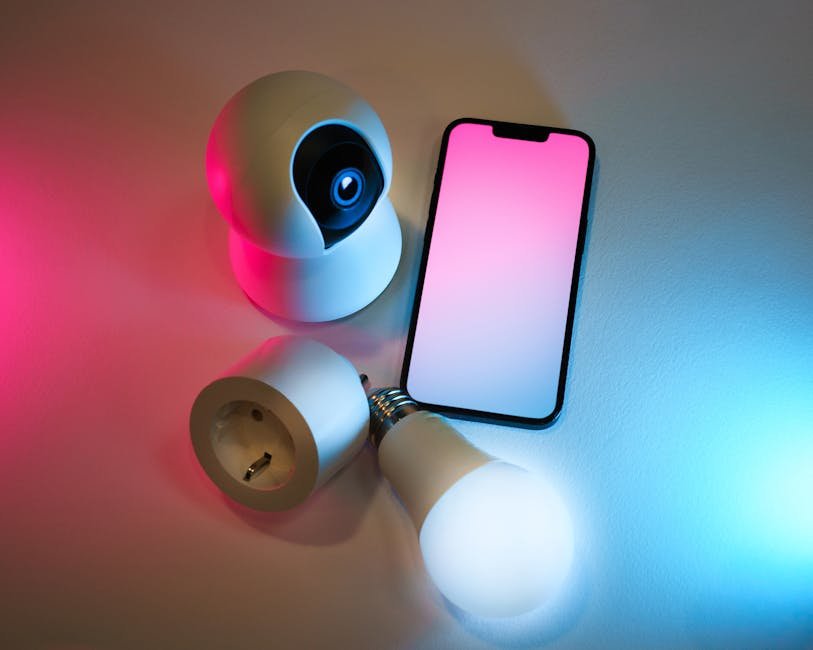
Automated Home Systems for Energy Management: A Deep Dive
The modern home is rapidly evolving, transitioning from a simple dwelling to a digitally integrated ecosystem. At the heart of this transformation lies the potential for automated home systems to revolutionize energy management, driving efficiency, reducing consumption, and empowering homeowners to take control of their environmental footprint and utility bills. This article delves into the various facets of this technology, exploring its components, benefits, implementation, and future trends.
Understanding the Core Components
Automated home energy management systems are comprised of interconnected devices and software that work in tandem to monitor, control, and optimize energy usage. Key components include:
- Smart Thermostats: These devices learn your heating and cooling preferences and automatically adjust temperatures based on occupancy, weather forecasts, and pre-programmed schedules. Advanced models utilize geofencing, detecting when you’re approaching or leaving home to proactively optimize temperature settings. They typically connect to Wi-Fi and can be controlled remotely via a smartphone app.
- Smart Lighting Systems: Beyond simple on/off control, smart lighting allows for dimming, color adjustments, and automated scheduling. Motion sensors can trigger lights only when needed, eliminating wasted energy. Integration with other smart home devices allows for scenarios like automatically dimming lights during movie nights. LED bulbs are crucial for maximizing the energy efficiency of these systems.
- Smart Outlets and Plugs: These devices offer remote control and energy monitoring for individual appliances. They can be used to switch off devices that are drawing phantom power (also known as vampire drain) when not in use, like TVs, chargers, and gaming consoles. Some models provide detailed energy consumption reports, allowing you to identify power-hungry appliances.
- Energy Monitoring Systems: These systems track overall energy consumption in the home, providing real-time data and historical reports. Whole-home energy monitors are typically installed at the electrical panel, providing a comprehensive overview of energy usage patterns. Some systems can even identify specific appliances contributing to high energy consumption.
- Smart Appliances: Modern appliances, such as refrigerators, washing machines, and dishwashers, are increasingly equipped with smart features that optimize energy usage. They can be programmed to run during off-peak hours when electricity rates are lower, or to adjust settings based on load size or sensor data. Integration with the broader smart home ecosystem allows for coordinated energy management strategies.
- Home Energy Management Software: This is the central control point for the entire system. It aggregates data from various devices, provides insights into energy consumption patterns, and allows homeowners to set rules and schedules for automated energy management. Many systems offer mobile apps for remote control and monitoring.
- Solar Panels and Battery Storage (Optional): While not strictly required for an automated system, integrating solar panels and battery storage significantly enhances energy independence and reduces reliance on the grid. The system can prioritize using solar energy, storing excess power in batteries for later use, and only drawing from the grid when necessary. Smart inverters and battery management systems optimize the performance of these components.
Benefits of Automated Energy Management
The advantages of implementing automated home energy management systems are substantial, spanning economic, environmental, and lifestyle improvements:
- Reduced Energy Consumption and Utility Bills: This is the primary benefit, achieved through optimized heating and cooling, automated lighting control, and elimination of phantom power drain. Savings can range from 10% to 30% or more, depending on the efficiency of the system and the homeowner’s lifestyle.
- Increased Energy Efficiency: By providing detailed insights into energy usage patterns, automated systems empower homeowners to make informed decisions about appliance usage and energy-saving strategies.
- Enhanced Comfort and Convenience: Smart thermostats and lighting systems automatically adjust to your preferences, maintaining optimal comfort levels without manual intervention. Remote control via mobile apps allows you to adjust settings from anywhere.
- Environmental Sustainability: Reducing energy consumption translates to a smaller carbon footprint, contributing to a more sustainable lifestyle and reducing the impact on climate change.
- Improved Home Security: Smart lighting systems can be programmed to simulate occupancy when you’re away, deterring potential intruders. Smart security systems can also be integrated with energy management systems, automatically adjusting thermostat settings when the alarm is armed.
- Data-Driven Decision Making: The detailed energy consumption data provided by these systems allows homeowners to identify areas for improvement and make informed decisions about energy upgrades, such as replacing old appliances with more efficient models.
- Increased Home Value: A smart home equipped with an automated energy management system can be a more attractive selling point for potential buyers, increasing the overall value of the property.
- Demand Response Programs: Many utility companies offer demand response programs that reward homeowners for reducing energy consumption during peak demand periods. Automated systems can be programmed to automatically participate in these programs, earning you credits on your utility bill.
Implementation and Integration Considerations
Successfully implementing an automated home energy management system requires careful planning and consideration:
- Assessment of Energy Needs: Start by evaluating your current energy consumption patterns. Analyze your utility bills and identify areas where you can reduce usage. This will help you determine the type of system that best suits your needs.
- Device Compatibility: Ensure that all components of the system are compatible with each other and with your existing home infrastructure. Choose devices that use a common communication protocol, such as Wi-Fi, Zigbee, or Z-Wave.
- Professional Installation: While some devices can be installed DIY, consider hiring a qualified electrician or smart home installer for more complex installations, such as whole-home energy monitors or solar panel systems.
- Network Security: Secure your home network with a strong password and enable two-factor authentication to protect your smart home devices from unauthorized access. Regularly update the firmware of your devices to patch security vulnerabilities.
- User Training: Familiarize yourself with the system’s features and functionality. Learn how to use the mobile app and web interface to monitor energy consumption and adjust settings.
- Integration with Existing Systems: Integrate your energy management system with other smart home devices, such as security systems, entertainment systems, and voice assistants.
- Scalability: Choose a system that can be easily expanded to accommodate future needs. As you add more smart home devices, ensure that your energy management system can integrate with them seamlessly.
- Cost Analysis: Compare the costs of different systems and consider the potential long-term savings on your utility bills. Factor in installation costs, maintenance fees, and the lifespan of the devices.
Future Trends in Automated Energy Management
The field of automated home energy management is constantly evolving, driven by technological advancements and increasing consumer demand:
- Artificial Intelligence (AI) and Machine Learning (ML): AI and ML algorithms are being used to analyze energy consumption data and predict future usage patterns. This allows for more precise and proactive energy management strategies.
- Integration with the Smart Grid: Future systems will be more tightly integrated with the smart grid, allowing for dynamic pricing and automated participation in demand response programs.
- Enhanced Energy Storage Solutions: Advances in battery technology are making energy storage more affordable and accessible, enabling homeowners to store excess solar energy and reduce reliance on the grid.
- Predictive Maintenance: AI-powered systems can predict when appliances are likely to fail, allowing for proactive maintenance and preventing energy waste.
- Voice Control and Natural Language Processing (NLP): Voice assistants like Alexa and Google Assistant are becoming increasingly integrated with energy management systems, allowing homeowners to control their energy usage with simple voice commands.
- Blockchain Technology: Blockchain can be used to create a secure and transparent platform for trading energy between homeowners and utility companies.
- Personalized Energy Recommendations: Systems will provide personalized recommendations based on your individual energy consumption patterns, lifestyle, and preferences.
- Cybersecurity Enhancements: As smart home devices become more prevalent, cybersecurity will be a top priority. Future systems will incorporate advanced security measures to protect against hacking and data breaches.
- Edge Computing: Processing data locally on the device, rather than relying on the cloud, will improve response times and enhance privacy.
By embracing these advancements, homeowners can unlock the full potential of automated energy management systems and create truly smart, efficient, and sustainable homes.