Top Ways to Reduce Electricity Bills with Smart Devices
Harnessing the power of smart home technology can significantly impact your energy consumption and subsequently, your electricity bills. Beyond simple convenience, these devices offer data-driven insights and automation capabilities that can optimize energy usage in various aspects of your home. Here’s a deep dive into the top strategies for leveraging smart devices to achieve substantial savings:
1. Smart Thermostats: Mastering HVAC Control
Heating, ventilation, and air conditioning (HVAC) systems are often the biggest energy hogs in a home. Smart thermostats address this by learning your habits and automatically adjusting temperatures to minimize waste.
- Learning Algorithms: Advanced algorithms analyze your daily routines and preferences to create personalized heating and cooling schedules. The thermostat learns when you’re typically home, asleep, or away, and adjusts the temperature accordingly.
- Geofencing: Utilizing your smartphone’s location, geofencing allows the thermostat to automatically adjust the temperature when you leave or approach your home. This prevents unnecessary heating or cooling of an empty house.
- Remote Control: Smart thermostats enable remote temperature adjustments via smartphone apps. You can pre-cool your home before arriving or turn down the heat if you forgot before leaving, preventing energy waste.
- Zone Control (with Smart Vents): Pair your smart thermostat with smart vents to create zoned heating and cooling. This allows you to heat or cool only the rooms you’re using, further optimizing energy efficiency. For instance, you can focus on the living room during the day and the bedroom at night.
- Energy Reports and Insights: Smart thermostats provide detailed reports on your energy consumption, allowing you to identify patterns and areas for improvement. You can track your daily, weekly, or monthly energy usage and compare it to previous periods.
- Integration with Smart Home Ecosystems: Most smart thermostats integrate seamlessly with other smart home devices, like window sensors. If a window is opened, the thermostat can automatically pause the HVAC system to prevent energy loss.
- Occupancy Sensors (Advanced Models): Some advanced smart thermostats incorporate occupancy sensors to detect whether a room is occupied. This allows for even more precise temperature control, ensuring that energy isn’t wasted on unoccupied spaces.
- Weather Awareness: Smart thermostats can access real-time weather data and adjust the temperature accordingly. For example, on a sunny day, the thermostat may reduce the heating output, knowing that solar gain will contribute to the indoor temperature.
2. Smart Lighting: Illuminating Energy Savings
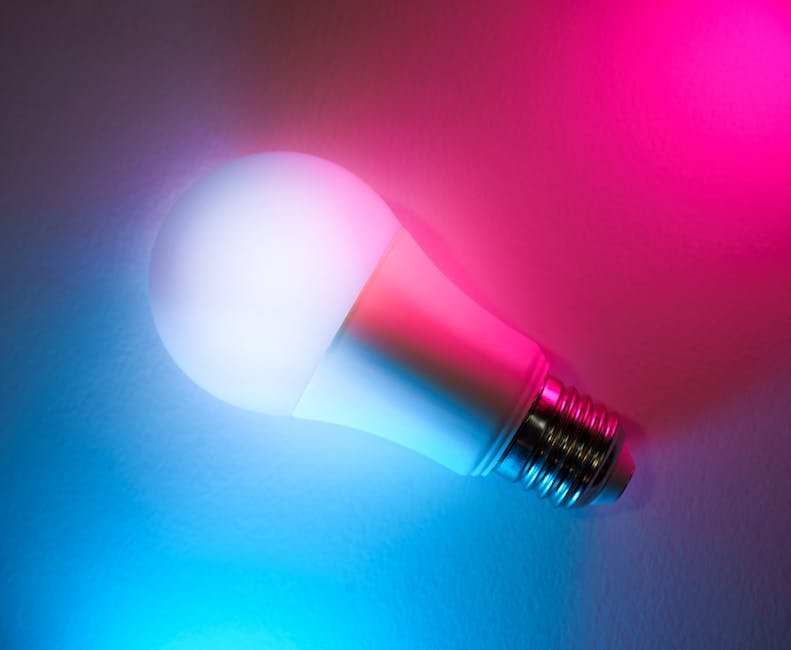
Smart lighting solutions offer a multitude of ways to reduce energy consumption compared to traditional incandescent or even compact fluorescent bulbs.
- LED Technology: Smart bulbs are primarily based on LED technology, which consumes significantly less energy and lasts considerably longer than traditional bulbs.
- Scheduling and Timers: Program your lights to turn on and off at specific times, eliminating the need to manually control them. This is especially useful for outdoor lighting or for simulating occupancy when you’re away.
- Motion Sensors: Integrate motion sensors with your smart lights to automatically turn them on when someone enters a room and off when they leave. This is ideal for hallways, bathrooms, and closets.
- Dimming Capabilities: Smart bulbs allow you to dim the lights, reducing energy consumption and extending bulb life. Dimming also allows you to create different lighting scenes for various activities.
- Color Temperature Adjustment: Some smart bulbs allow you to adjust the color temperature of the light, from warm to cool. Cooler temperatures are generally more energy-efficient.
- Voice Control Integration: Control your lights using voice commands through smart speakers like Amazon Echo or Google Home. This provides hands-free control and added convenience.
- Sunrise/Sunset Automation: Program your outdoor lights to automatically turn on at sunset and off at sunrise, eliminating the need for manual adjustments.
- Energy Monitoring: Some smart lighting systems provide energy consumption data, allowing you to track your usage and identify areas for optimization.
- Grouping and Zones: Create groups of lights and control them collectively. For example, you can create a “Living Room” group and dim all the lights in that area with a single command.
3. Smart Plugs and Outlets: Cutting Phantom Loads
Many electronic devices continue to draw power even when they’re turned off, known as phantom load or standby power. Smart plugs and outlets help eliminate this energy waste.
- Remote Control: Control your devices remotely using a smartphone app, allowing you to turn them off even when you’re not at home.
- Scheduling: Schedule your devices to turn on and off at specific times, preventing them from drawing power unnecessarily.
- Energy Monitoring: Track the energy consumption of individual devices connected to smart plugs to identify those that are consuming the most standby power.
- Voice Control: Control your devices using voice commands through smart speakers.
- Automation with Triggers: Create automation rules to turn off devices when certain conditions are met. For example, you can turn off your TV when you turn off the lights.
- Power Surge Protection: Many smart plugs also offer power surge protection, protecting your devices from damage.
- Appliance Control: Control appliances like coffee makers, toasters, and fans with smart plugs, adding convenience and energy savings.
- Monitor “Vampire Devices”: Use smart plugs to identify devices that are notorious for phantom load, such as older TVs, gaming consoles, and chargers.
4. Smart Appliances: Optimizing Performance
Modern smart appliances are designed with energy efficiency in mind and offer features that help reduce energy consumption.
- Energy Star Certification: Look for appliances with the Energy Star certification, which indicates that they meet strict energy efficiency guidelines.
- Smart Washers and Dryers: These appliances can optimize water and energy usage based on the load size and fabric type. Some models also offer delayed start options to take advantage of off-peak electricity rates.
- Smart Refrigerators: These appliances can monitor temperature and energy usage, alert you to potential problems, and even help you manage your food inventory to reduce waste.
- Smart Dishwashers: These appliances can adjust water and energy usage based on the soil level of the dishes. Some models also offer delayed start options and can be controlled remotely.
- Smart Ovens: Some smart ovens offer convection cooking, which is more energy-efficient than traditional baking. They can also be controlled remotely and monitored via smartphone apps.
- Load Shifting: Many smart appliances offer load-shifting capabilities, allowing you to schedule energy-intensive tasks for off-peak hours when electricity rates are lower.
- Remote Diagnostics: Smart appliances can often diagnose their own problems and alert you to potential issues before they become major repairs, preventing energy waste caused by malfunctioning components.
5. Smart Irrigation Systems: Efficient Water Management
For homeowners with lawns and gardens, smart irrigation systems can significantly reduce water waste and save on water and electricity bills.
- Weather-Based Adjustments: Smart irrigation systems use real-time weather data to adjust watering schedules, preventing overwatering during rainy periods.
- Soil Moisture Sensors: Soil moisture sensors monitor the moisture level in the soil and adjust watering schedules accordingly.
- Zone Control: Divide your lawn and garden into different zones with varying watering needs. Smart irrigation systems allow you to customize watering schedules for each zone.
- Leak Detection: Some smart irrigation systems can detect leaks in the system and alert you to potential problems.
- Remote Control: Control your irrigation system remotely via smartphone apps.
- Water Usage Reports: Track your water usage and identify areas for improvement.
- Integration with Smart Home Ecosystems: Integrate your irrigation system with other smart home devices, such as weather stations.
6. Smart Window Treatments: Managing Solar Heat Gain
Smart blinds, shades, and curtains can automatically adjust throughout the day to optimize solar heat gain in the winter and block out unwanted heat in the summer.
- Scheduling: Program your window treatments to open and close at specific times of the day, maximizing sunlight in the winter and minimizing heat gain in the summer.
- Sunlight Sensors: Sunlight sensors monitor the amount of sunlight and adjust the window treatments accordingly.
- Temperature Sensors: Temperature sensors monitor the indoor temperature and adjust the window treatments to maintain a comfortable temperature.
- Voice Control: Control your window treatments using voice commands through smart speakers.
- Integration with Smart Home Ecosystems: Integrate your window treatments with other smart home devices, such as thermostats.
7. Energy Monitoring Systems: Gaining Insight and Control
Whole-house energy monitoring systems provide a comprehensive overview of your energy consumption, allowing you to identify areas for improvement and track your progress.
- Real-Time Data: Monitor your energy consumption in real time.
- Historical Data: Track your energy consumption over time.
- Appliance-Level Monitoring: Identify the energy consumption of individual appliances.
- Alerts and Notifications: Receive alerts when your energy consumption exceeds a certain threshold.
- Integration with Smart Home Ecosystems: Integrate your energy monitoring system with other smart home devices.
- Customized Recommendations: Receive customized recommendations for reducing your energy consumption.
By strategically implementing these smart device solutions, homeowners can gain greater control over their energy usage, reduce their electricity bills, and contribute to a more sustainable future. Remember to research and choose devices that are compatible with your existing smart home ecosystem and that meet your specific energy-saving goals.