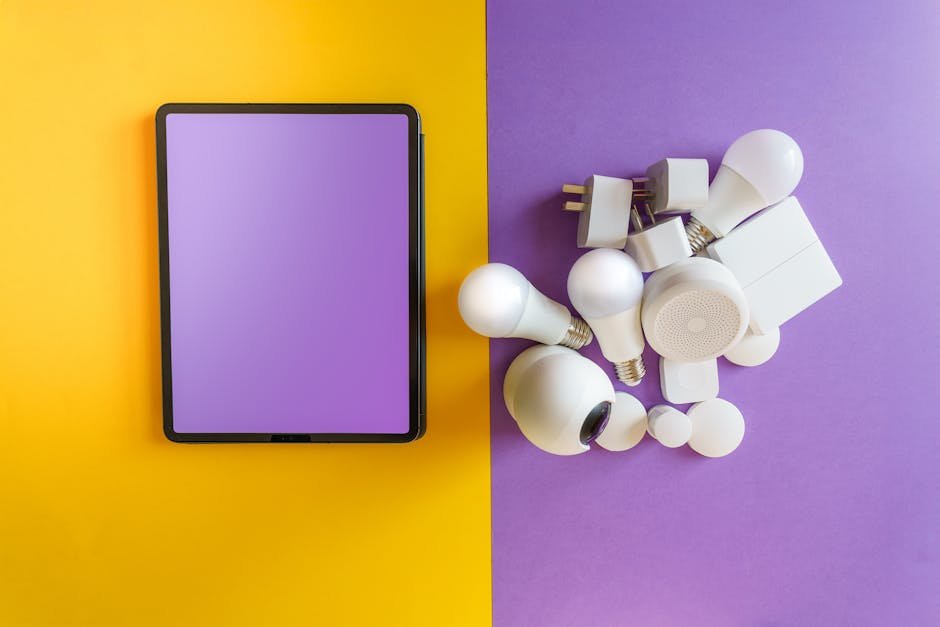
Smart Home Energy Saving Hacks for Beginners: Unleashing Efficiency and Saving Money
Understanding Energy Consumption: The Foundation for Savings
Before diving into smart gadgets and automation, understanding how your household consumes energy is paramount. A basic energy audit, even a self-guided one, reveals significant energy hogs. Examine past utility bills to identify patterns. Notice spikes in consumption during specific months, which often correlate with heating or cooling demands. Track appliance usage with a simple log, noting the hours each device operates daily or weekly. This process exposes the energy vampires silently draining your resources.
Smart Thermostats: The Core of Climate Control Optimization
Smart thermostats are arguably the most impactful initial investment in smart home energy savings. They learn your heating and cooling patterns, automatically adjusting temperatures based on your schedule and preferences. Zone control allows you to heat or cool only occupied areas, eliminating wasted energy in unused rooms. Geofencing capabilities detect when you’re approaching home and pre-cool or pre-heat the house for your arrival, avoiding the energy waste of constantly running the system while you’re away. Advanced algorithms and occupancy sensors further optimize efficiency. Popular models from Nest, Ecobee, and Honeywell offer energy reports and personalized recommendations based on your usage data, transforming a passive system into an active energy manager. Consider scheduling seasonal adjustments to heating and cooling programs to align with changing weather patterns.
Smart Lighting: Illuminating Efficiency, One Bulb at a Time
Replacing incandescent and halogen bulbs with LED smart bulbs is a crucial step. LEDs consume significantly less energy and last much longer. Smart bulbs offer dimming capabilities, allowing you to adjust brightness levels based on need, further reducing energy consumption. Motion sensors can automatically turn lights on and off in areas like hallways, closets, and bathrooms, eliminating unnecessary illumination. Integrate your smart lighting with your smart thermostat and security system for a coordinated home ecosystem. For instance, lights could automatically dim when the house is unoccupied or flash as a security alert. Smart lighting also offers aesthetic benefits through color customization and scene creation.
Smart Plugs: Conquering Vampire Loads and Optimizing Appliance Usage
“Vampire loads,” also known as phantom loads, are the energy consumed by appliances and electronics when they are turned off but still plugged in. Smart plugs address this issue by allowing you to remotely turn off devices completely, eliminating standby power consumption. Connect devices like TVs, gaming consoles, computers, and chargers to smart plugs and schedule them to turn off during periods of inactivity. Monitor energy consumption of individual devices connected to smart plugs to identify energy hogs and make informed decisions about usage. Some smart plugs offer surge protection, adding an extra layer of protection for your electronics. Smart plugs are particularly useful for appliances that are difficult to unplug, such as those located behind furniture.
Smart Irrigation Systems: Water Conservation Through Precision
Smart irrigation systems optimize watering schedules based on weather forecasts, soil moisture levels, and plant type, preventing overwatering and conserving water. Soil moisture sensors provide real-time data on soil conditions, ensuring that plants receive the precise amount of water they need. Weather forecasts allow the system to adjust watering schedules in anticipation of rain, preventing unnecessary irrigation. Zone control enables you to customize watering schedules for different areas of your yard based on plant needs. These systems reduce water waste, lower water bills, and promote healthier plant growth. Popular brands like Rachio and Rain Bird offer user-friendly interfaces and comprehensive features. Regularly inspect your irrigation system for leaks or damaged sprinkler heads to further enhance efficiency.
Smart Appliances: Upgrading Efficiency from the Core
When upgrading appliances, opt for energy-efficient models with Energy Star certification. Smart appliances offer advanced features that further optimize energy consumption. Smart refrigerators can monitor food inventory and suggest recipes to minimize food waste, reducing energy consumption associated with unnecessary grocery trips. Smart washing machines and dryers can optimize washing and drying cycles based on load size and fabric type, reducing water and energy usage. Smart ovens can preheat more efficiently and automatically adjust cooking temperatures to prevent overcooking. Many smart appliances can be controlled remotely through a smartphone app, allowing you to monitor energy usage and adjust settings from anywhere. While a larger upfront investment, smart appliances deliver long-term savings on energy bills and contribute to a more sustainable lifestyle.
Energy Monitoring Systems: Real-Time Insights for Informed Decisions
Energy monitoring systems provide real-time data on energy consumption throughout your entire home. These systems can track energy usage by individual appliance, circuit, or even room, providing granular insights into your energy footprint. You can identify energy hogs, detect unusual energy patterns, and make informed decisions about energy conservation. Many energy monitoring systems offer alerts when energy consumption exceeds a certain threshold, allowing you to take immediate action to address the issue. Some systems integrate with smart thermostats and other smart home devices to provide a comprehensive view of your home’s energy performance. Companies like Sense and Neurio offer advanced energy monitoring solutions. Regularly review your energy monitoring data and use it to identify areas for improvement.
Optimizing Window Treatments: Passive Energy Management
While not strictly “smart,” intelligent use of window treatments significantly impacts energy efficiency. During summer, close blinds and curtains on south-facing windows during the hottest part of the day to block sunlight and reduce heat gain. During winter, open curtains on sunny days to allow sunlight to warm your home naturally. Install insulated curtains or window film to further reduce heat transfer. Consider automated blinds that adjust based on sunlight intensity or time of day. These passive strategies complement smart home technologies and further reduce your reliance on heating and cooling systems.
Smart Leak Detectors: Preventing Water Waste and Damage
Water leaks can waste significant amounts of water and cause costly damage to your home. Smart leak detectors can detect leaks in real-time and alert you to the problem before it escalates. Place leak detectors near water heaters, washing machines, dishwashers, and toilets. Some leak detectors can automatically shut off the water supply to prevent further damage. These devices not only save water and money but also provide peace of mind knowing that your home is protected from water damage. Popular brands like Flo by Moen and StreamLabs offer comprehensive leak detection solutions. Regularly test your leak detectors to ensure they are functioning properly.
Embrace a Smart Lifestyle: Continuous Improvement and Education
Implementing smart home energy saving hacks is an ongoing process. Continuously monitor your energy consumption, identify areas for improvement, and adjust your smart home settings accordingly. Stay informed about new energy-saving technologies and strategies. Educate your family members about energy conservation and encourage them to adopt energy-saving habits. By embracing a smart lifestyle, you can continuously improve your home’s energy efficiency and reduce your environmental impact. Remember that even small changes can add up to significant savings over time. Regularly review your smart home setup and make adjustments as needed to optimize energy efficiency.