Understanding Your Energy Footprint: The Baseline is Key
Before diving headfirst into smart devices, take stock of your current energy consumption. This baseline is crucial for measuring the effectiveness of your smart home upgrades. Analyze your energy bills for the past 12 months, noting peak usage months (summer for cooling, winter for heating). Utilize energy audit tools offered by your local utility company or invest in a whole-house energy monitor like Sense or Neurio. These devices provide real-time insights into appliance energy usage, revealing energy hogs you might not have been aware of. Disconnect “phantom load” devices – those that draw power even when turned off (think TVs, game consoles) – and track the resulting energy savings. This initial assessment allows you to prioritize your smart home investments where they will have the most significant impact.
Smart Thermostats: Precision Climate Control
The smart thermostat is arguably the cornerstone of an energy-efficient smart home. Devices like Nest, Ecobee, and Honeywell offer features beyond basic temperature control. Learning algorithms analyze your routines and automatically adjust the thermostat to optimize energy savings when you’re away or asleep. Geofencing uses your smartphone’s location to preheat or precool your home as you approach. Advanced models offer multi-zone control, allowing you to heat or cool individual rooms as needed, preventing energy waste in unoccupied areas. Integrate your smart thermostat with other smart home devices – for example, coordinating with smart window shades to lower automatically when the sun is at its peak, reducing cooling needs. Opt for models with detailed energy usage reports to track savings and identify areas for further optimization. Consider professional installation for optimal performance and to ensure compatibility with your existing HVAC system.
Smart Lighting: Beyond On and Off
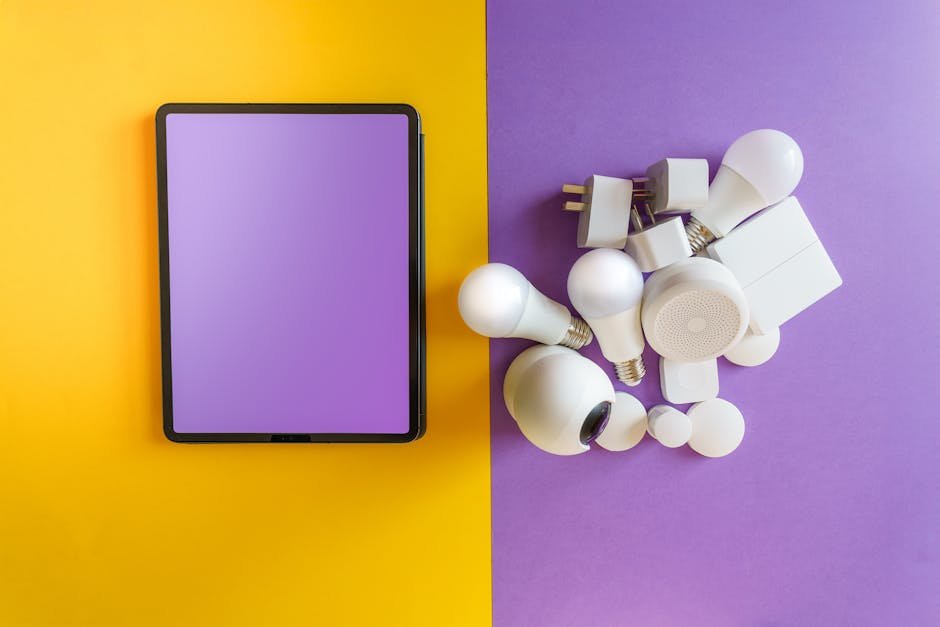
Smart lighting offers a multifaceted approach to energy conservation. LED bulbs, inherently more efficient than incandescent or halogen, are a prerequisite. Smart bulbs, like those from Philips Hue, LIFX, and TP-Link Kasa, offer granular control over brightness and color temperature, allowing you to dim lights during the day or create energy-saving ambient lighting schemes. Motion sensors can automatically turn lights on only when someone is present, eliminating wasted energy in empty rooms. Integrate smart lighting with your smart thermostat and security system. For example, program lights to turn on when the thermostat detects occupancy, or dim automatically when the security system is armed for extended absences. Consider using sunrise/sunset scheduling to automatically adjust lighting based on natural light levels, reducing reliance on artificial illumination. Invest in a smart lighting hub to centralize control and improve responsiveness, especially in larger homes with multiple smart bulbs.
Smart Plugs and Outlets: Cutting Phantom Loads
Smart plugs and outlets are simple yet effective tools for controlling energy consumption of individual appliances and electronics. They allow you to remotely turn devices on or off via a smartphone app, eliminating phantom loads and preventing unnecessary energy waste. Schedule devices like coffee makers, space heaters, and entertainment systems to automatically turn off when not in use. Monitor energy usage of plugged-in devices to identify power-hungry appliances that may warrant replacement with more energy-efficient models. Smart plugs are particularly useful for controlling devices that are difficult to reach or are often left on by mistake. Integrate smart plugs with voice assistants like Amazon Alexa or Google Assistant for convenient hands-free control. Look for models with surge protection to protect your electronics from power fluctuations.
Smart Appliances: Efficiency Built-In
Consider upgrading to smart appliances with built-in energy-saving features. Smart refrigerators can monitor food inventory, optimize cooling cycles, and even alert you when doors are left ajar. Smart washers and dryers can adjust water levels and drying times based on load size and fabric type, minimizing water and energy usage. Smart dishwashers can optimize water usage and detergent dispensing for efficient cleaning. Many smart appliances can be remotely monitored and controlled via a smartphone app, allowing you to track energy consumption and adjust settings as needed. Look for Energy Star certified appliances to ensure they meet stringent energy efficiency standards. Integrate smart appliances with your smart home ecosystem to further optimize energy savings. For example, schedule your dishwasher to run during off-peak hours when electricity rates are lower.
Smart Water Management: Conserving a Precious Resource
Water heating is a significant energy consumer in most households. Smart water heaters can learn your usage patterns and adjust heating schedules accordingly, minimizing energy waste. Leak detectors can alert you to plumbing leaks, preventing water damage and conserving water. Smart irrigation systems can optimize watering schedules based on weather forecasts and soil moisture levels, preventing overwatering and conserving water resources. Consider installing low-flow showerheads and faucets to further reduce water consumption. Integrate smart water management devices with your smart home ecosystem to provide a holistic approach to resource conservation. For example, connect your smart irrigation system to your weather app to automatically pause watering during rainfall.
Optimizing Your Smart Home: Continuous Improvement
Setting up your smart home is only the first step. Continuously monitor your energy usage and adjust your smart home settings to optimize energy savings. Review your energy bills regularly and compare them to previous periods to track progress. Utilize the energy usage reports provided by your smart devices to identify areas for further improvement. Stay updated on the latest smart home technologies and energy-saving tips. Regularly update your smart home devices to ensure they have the latest features and security patches. Participate in your local utility company’s energy efficiency programs to receive rebates and incentives for smart home upgrades. By continuously monitoring and optimizing your smart home, you can maximize energy savings and reduce your environmental impact.
Solar Integration: Harnessing Renewable Energy
Consider integrating solar panels into your smart home setup for a truly sustainable energy solution. Solar panels generate clean, renewable energy that can offset your electricity consumption and reduce your reliance on fossil fuels. Smart inverters optimize solar energy production and provide real-time monitoring of your solar system’s performance. Smart energy storage systems, like batteries, can store excess solar energy for later use, maximizing self-consumption and reducing reliance on the grid. Integrate your solar system with your smart home ecosystem to manage your energy consumption effectively. For example, automatically charge your electric vehicle using solar energy during the day. Monitor your solar production and consumption via a smartphone app to track savings and identify areas for optimization. Research available solar incentives and tax credits to reduce the cost of installing solar panels.
Windows and Insulation: Passive Energy Efficiency
While not strictly “smart,” optimizing your home’s windows and insulation is crucial for maximizing energy efficiency. Properly insulated walls and ceilings reduce heat loss in the winter and heat gain in the summer, minimizing the need for heating and cooling. Energy-efficient windows with low-E coatings can further reduce heat transfer. Consider installing smart window shades that automatically adjust to block sunlight during the hottest hours of the day. Seal any air leaks around windows, doors, and other openings to prevent drafts and reduce energy waste. Regularly inspect your insulation and windows for damage and make repairs as needed. Combine these passive energy efficiency measures with your smart home devices for a comprehensive approach to energy conservation.
By implementing these strategies, you can transform your home into a smart, energy-efficient haven, reducing your carbon footprint and saving money on your energy bills. Remember, a smart home is not just about technology; it’s about adopting a conscious approach to energy consumption and embracing sustainable living practices.