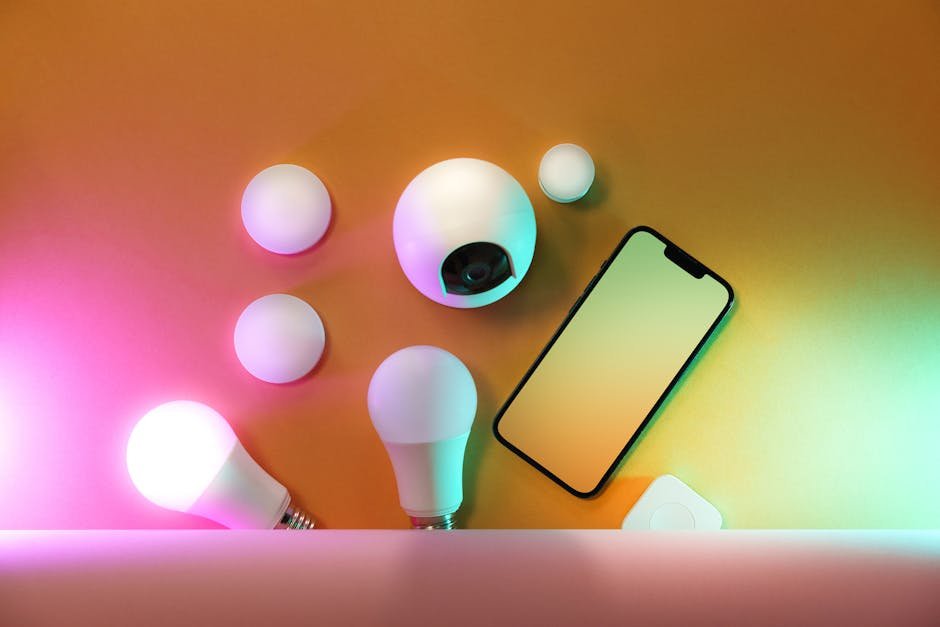
Energy Saving Automation for Vacation Mode: A Comprehensive Guide to Smart Home Efficiency While You’re Away
Leaving your home for vacation is exciting, but also brings the responsibility of ensuring its security and, increasingly important, its energy efficiency. Vacation mode automation offers a powerful solution, letting you minimize energy consumption while deterring potential issues. Here’s a detailed breakdown of how to strategically implement energy-saving automation for your vacation.
1. Smart Thermostat Scheduling: The Foundation of Vacation Energy Management
A smart thermostat is the cornerstone of vacation mode automation. It allows you to remotely control and program your home’s temperature, preventing energy waste on an empty house.
- Programming Optimized Setpoints: Before departure, program your thermostat for significant temperature adjustments. In summer, raise the cooling setpoint significantly (e.g., 85°F/29°C), acknowledging that comfort is secondary to preventing extreme heat buildup which can damage certain electronics or belongings. In winter, lower the heating setpoint (e.g., 55°F/13°C) to prevent pipes from freezing, especially in areas with cold winters.
- Geofencing Integration: Many smart thermostats support geofencing. Configure this feature to automatically switch to vacation mode when your smartphone (or other designated device) leaves a predefined area around your home. This is particularly useful for unexpected departures or extended stays.
- Remote Monitoring and Adjustment: Monitor your thermostat’s performance remotely via its mobile app. Check the current temperature and make adjustments if necessary, especially during extreme weather events. This prevents unnecessary energy usage while ensuring the safety of your property.
- Learning Thermostats and Adaptation: Some smart thermostats “learn” your typical heating and cooling patterns. However, disable this feature during vacation. Learning algorithms, if left active, can trigger unnecessary heating or cooling cycles based on past occupancy data that is now irrelevant.
- Heat Pump Considerations: If you have a heat pump, avoid turning the thermostat off completely in winter. Instead, set a minimum temperature to prevent the system from engaging auxiliary heat, which is significantly less efficient.
2. Smart Lighting Automation: Security and Efficiency Combined
Smart lighting provides both security and energy savings. Program lighting schedules to mimic occupancy, deterring potential intruders while minimizing energy waste.
- Scheduled On/Off Patterns: Create realistic lighting schedules that vary throughout the day and evening. Avoid predictable patterns that could easily be recognized as automated. Consider setting different patterns for different days of the week to further enhance the illusion of occupancy.
- Randomization Features: Many smart lighting systems offer randomization features. These features slightly alter the programmed schedule, making it even more difficult for anyone observing the house to discern that the lights are automated.
- Exterior Lighting Automation: Automate exterior lights to turn on at dusk and off at dawn. This enhances security and safety around your property. Consider using motion-activated lights in specific areas, such as near entrances, for added security.
- Dimming Control: Utilize dimming capabilities to reduce energy consumption. Program lights to operate at a lower intensity during certain periods, such as late at night, while still providing a subtle indication of occupancy.
- Integration with Security Systems: Integrate your smart lighting with your security system. When an alarm is triggered, program the lights to flash or turn on and off rapidly to attract attention and deter intruders.
3. Smart Appliance Management: Phantom Load Reduction
Appliances consume energy even when not in use (phantom load). Smart plugs and outlets can help eliminate this energy waste.
- Identifying Phantom Load Culprits: Identify appliances that consume significant power even when off. These often include televisions, computers, gaming consoles, and kitchen appliances. Use a energy monitor for a more precise measurement.
- Smart Plugs for Power Strips: Connect power strips to smart plugs to remotely switch off multiple devices simultaneously. This is especially effective for entertainment centers and home office setups.
- Scheduling Appliance Shutdown: Schedule smart plugs to turn off appliances at specific times of the day or night. For example, you can turn off the coffee maker or toaster oven at a set time after you would normally have left for work.
- Water Heater Control: Consider a smart water heater or a smart plug for your existing water heater. Reduce the water heater’s temperature or turn it off completely while you’re away, especially for extended vacations. Remember to allow sufficient time for the water to reheat upon your return.
- Refrigerator Considerations: Avoid unplugging your refrigerator unless you are going to be away for an extended period (several weeks or months). The energy required to cool the refrigerator back down to its normal operating temperature can exceed the energy saved by unplugging it for a shorter period. However, adjusting the temperature to a slightly warmer setting can save energy without compromising food safety.
4. Smart Irrigation System Control: Water Conservation
Watering your lawn and garden while you’re away can waste significant amounts of water. Smart irrigation systems offer precise control and water conservation.
- Weather-Based Adjustments: Smart irrigation systems use weather data to adjust watering schedules automatically. They can reduce watering during rainy periods or increase watering during dry spells, preventing both water waste and plant stress.
- Remote Monitoring and Control: Monitor your irrigation system remotely via its mobile app. Check the current status and make adjustments if necessary, such as suspending watering during a rain event.
- Zone-Specific Watering: Divide your lawn and garden into zones based on plant type and sun exposure. Smart irrigation systems allow you to customize watering schedules for each zone, ensuring that each area receives the optimal amount of water.
- Leak Detection: Some smart irrigation systems include leak detection features. They can alert you to leaks in your irrigation system, allowing you to address the problem quickly and prevent water waste.
- Rain Sensor Integration: Integrate your smart irrigation system with a rain sensor. The rain sensor will automatically suspend watering when it detects rainfall.
5. Integration with Home Security Systems: A Holistic Approach
Integrating your energy-saving automation with your home security system provides a more comprehensive approach to protecting your home while you’re away.
- Simulated Occupancy Triggered by Security Events: Program your smart lights and other devices to respond to security events. For example, if an alarm is triggered, the lights can flash on and off, and the thermostat can be adjusted to a more comfortable temperature to give the impression that someone is home.
- Remote Arming and Disarming: Arm and disarm your security system remotely via its mobile app. This allows you to control your security system from anywhere in the world.
- Video Surveillance Integration: Integrate your smart lighting with your video surveillance system. When motion is detected, the lights can turn on to provide better visibility for the cameras.
- Alert Notifications: Receive real-time alerts on your smartphone if any security events occur, such as a door or window being opened, or motion being detected.
- Professional Monitoring: Consider professional monitoring for your security system. A professional monitoring company will monitor your system 24/7 and dispatch emergency services if necessary.
6. Pre-Departure Checklist and Preparation:
Proper preparation is key to ensuring that your vacation mode automation works effectively.
- Test All Systems: Before you leave, thoroughly test all of your smart home devices and automation routines. Ensure that everything is working as expected.
- Update Firmware: Update the firmware on all of your smart home devices to the latest versions. This will ensure that they are working optimally and that any security vulnerabilities have been patched.
- Check Battery Levels: Check the battery levels in all of your wireless sensors, such as door and window sensors, and replace the batteries if necessary.
- Inform Neighbors: Inform your neighbors that you will be away and provide them with your contact information. Ask them to keep an eye on your property and to notify you if they see anything suspicious.
- Leave a Key with a Trusted Contact: Leave a key with a trusted friend or family member who lives nearby. This will allow them to access your property in case of an emergency.
By implementing these energy-saving automation strategies, you can enjoy your vacation with peace of mind, knowing that you are minimizing energy consumption and protecting your home. Remember to continuously evaluate and refine your automation routines to optimize energy savings and security.