Low-Cost Ways to Save Electricity at Home: Power Up Your Savings!
1. Embrace the Power of Natural Light:
Harnessing sunlight is the simplest and most cost-effective way to reduce your reliance on artificial lighting. Open curtains and blinds during the day to maximize natural light penetration. Strategically positioned mirrors can amplify this effect, bouncing sunlight into darker areas of your home. Clean your windows regularly to ensure optimal light transmission. Consider lighter paint colors on your walls, as they reflect light better than darker hues. Before automatically switching on a light, ask yourself if natural light provides sufficient illumination.
2. Switch to Energy-Efficient Light Bulbs:
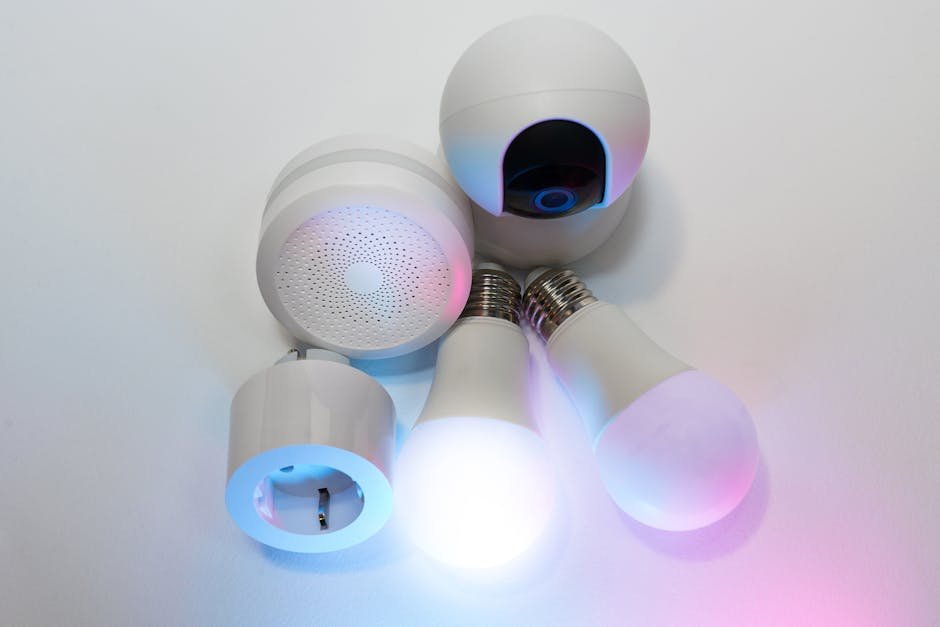
Incandescent light bulbs are energy hogs, converting only a small percentage of electricity into light, the rest being released as heat. Replace them with energy-efficient alternatives like LED (Light Emitting Diode) or CFL (Compact Fluorescent Lamp) bulbs. LEDs are significantly more efficient than CFLs, lasting longer and consuming even less energy. While initially more expensive, the long lifespan and lower energy consumption of LEDs result in substantial cost savings over time. When purchasing bulbs, look for the Energy Star label, ensuring they meet strict energy efficiency standards.
3. Unplug Phantom Loads:
Many electronic devices continue to draw power even when switched off, a phenomenon known as “phantom load” or “vampire power.” This includes chargers, TVs, computers, and gaming consoles. Unplug these devices when not in use or use power strips with on/off switches to cut off power to multiple devices simultaneously. This seemingly small action can significantly reduce your electricity bill over the course of a year.
4. Smart Power Strips for Smarter Savings:
Invest in smart power strips that automatically cut power to peripherals when the primary device is turned off. For example, a smart power strip connected to your TV can automatically shut off power to your DVD player, sound system, and gaming console when the TV is switched off. These power strips are particularly effective in home entertainment centers and home offices.
5. Adjust Your Thermostat Wisely:
Heating and cooling systems are major electricity consumers. During warmer months, raise your thermostat a few degrees when you’re away from home or asleep. Conversely, during colder months, lower your thermostat. Programmable thermostats allow you to automate these adjustments, optimizing energy consumption based on your schedule. Consider investing in a smart thermostat that learns your habits and adjusts the temperature automatically, providing even greater energy savings.
6. Seal Air Leaks and Insulate:
Drafty windows and doors allow conditioned air to escape, forcing your heating and cooling systems to work harder. Seal these air leaks with caulk and weather stripping. Insulating your home, particularly the attic and walls, can significantly reduce heat loss in the winter and heat gain in the summer, lowering your energy bills year-round. Consider adding insulation to your hot water heater as well.
7. Optimize Water Heater Usage:
Water heaters consume a significant amount of energy. Lower the thermostat on your water heater to 120°F (49°C), the recommended temperature for most households. Insulate your water heater tank to reduce heat loss. Take shorter showers and fix any leaky faucets promptly. Consider installing low-flow showerheads and faucet aerators to reduce water consumption without sacrificing water pressure, leading to energy savings as less water needs to be heated.
8. Mindful Appliance Usage:
Use your appliances efficiently. Run your washing machine and dishwasher only when they are fully loaded. Use cold water for washing clothes whenever possible, as heating water accounts for a significant portion of the energy used by washing machines. When using your oven, avoid opening the door frequently, as this releases heat and requires the oven to use more energy to maintain the desired temperature. Clean the lint filter in your dryer after each use to improve its efficiency.
9. Air Dry Your Clothes:
Whenever possible, air dry your clothes on a clothesline or drying rack instead of using a dryer. This not only saves energy but also helps your clothes last longer. Sunshine also acts as a natural disinfectant and brightener.
10. Refrigerator and Freezer Efficiency:
Ensure your refrigerator and freezer seals are tight and in good condition. Clean the coils regularly to improve their efficiency. Avoid overcrowding your refrigerator, as this can impede airflow and force it to work harder. Set the refrigerator temperature between 36-38°F (2-3°C) and the freezer temperature at 0°F (-18°C). Avoid placing your refrigerator or freezer near heat sources, such as ovens or direct sunlight.
11. Fans for Targeted Cooling:
Use fans to supplement your air conditioning. Ceiling fans circulate air, making you feel cooler and allowing you to raise your thermostat. Portable fans can provide targeted cooling in specific areas, reducing the need to cool the entire house. Remember that fans cool people, not rooms, so turn them off when you leave the room.
12. Cook Smart:
Use smaller appliances like slow cookers, toaster ovens, and microwaves instead of your oven whenever possible. These appliances consume less energy than a full-sized oven. When using the stove, match the pot size to the burner size to maximize efficiency. Keep your pots and pans clean, as dark surfaces absorb more heat.
13. Energy-Efficient Window Coverings:
Use window coverings to regulate temperature. In the summer, close curtains and blinds during the hottest part of the day to block out sunlight and reduce heat gain. In the winter, open curtains and blinds on sunny days to allow sunlight to warm your home. Consider investing in thermal curtains or blinds, which provide even greater insulation.
14. Monitor Your Energy Usage:
Track your electricity usage to identify areas where you can improve efficiency. Review your energy bills regularly to monitor your consumption patterns. Many utility companies offer online tools that allow you to track your usage and compare it to previous periods. Understanding your energy consumption is the first step towards reducing it.
15. Conduct an Energy Audit:
Perform a home energy audit to identify areas where your home is losing energy. You can conduct a simple DIY audit or hire a professional energy auditor. A professional audit will provide a detailed assessment of your home’s energy efficiency and recommend specific improvements.
16. Maintain Your HVAC System:
Regularly maintain your heating, ventilation, and air conditioning (HVAC) system. Clean or replace air filters regularly to ensure proper airflow. Schedule annual maintenance checks to ensure your system is operating efficiently. A well-maintained HVAC system will consume less energy and last longer.
By implementing these low-cost strategies, you can significantly reduce your electricity consumption and lower your energy bills without sacrificing comfort. Small changes can add up to substantial savings over time, making your home more energy-efficient and environmentally friendly.