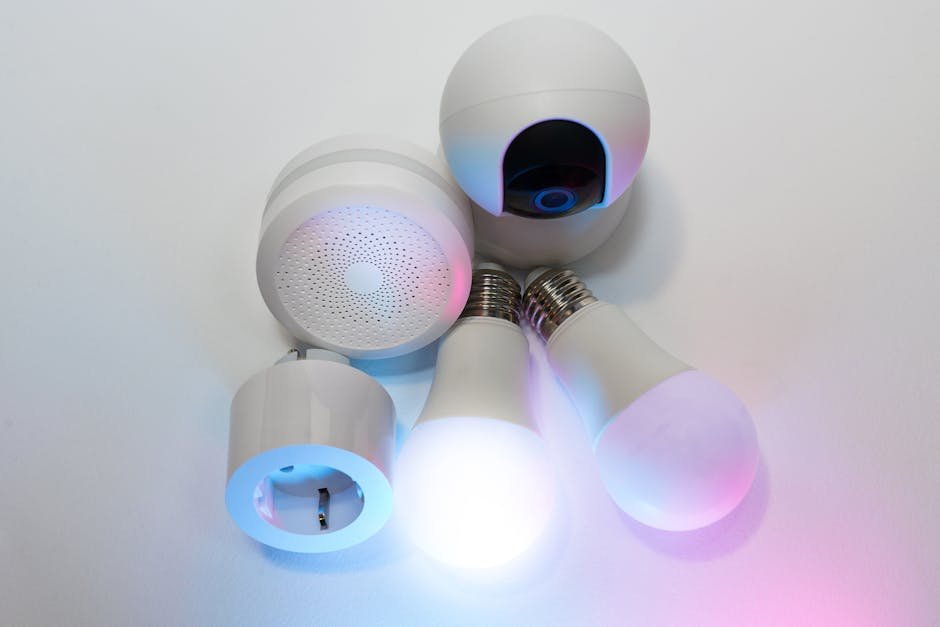
Smart Home Tips to Eliminate Energy Waste
1. Embrace Smart Thermostats: Precision Climate Control
Ditch the old, clunky thermostat and upgrade to a smart thermostat. These intelligent devices learn your heating and cooling patterns, optimizing energy usage based on your preferences and external factors like weather forecasts. Key benefits include:
- Programmable Schedules: Set different temperatures for different times of the day. Lower the temperature when you’re asleep or away, and raise it just before you arrive home.
- Geofencing: Using your smartphone’s location, a smart thermostat can automatically adjust the temperature when you leave or enter a predefined area. This eliminates the need to remember to manually adjust the thermostat, preventing wasted energy.
- Remote Control: Control your thermostat from anywhere with your smartphone or tablet. Adjust the temperature if you’re coming home early or forgot to adjust it before leaving.
- Learning Algorithms: Advanced smart thermostats learn your habits over time and automatically optimize your heating and cooling schedule for maximum energy savings.
- Energy Reports: Monitor your energy usage and identify areas for improvement with detailed reports and insights provided by the smart thermostat’s app. Brands like Nest, Ecobee, and Honeywell offer excellent options.
2. Smart Lighting: Illuminate Efficiently
Lighting accounts for a significant portion of household energy consumption. Smart lighting solutions provide numerous opportunities to reduce waste:
- LED Bulbs are a Must: If you haven’t already, switch to LED bulbs. They use up to 75% less energy than incandescent bulbs and last much longer, saving you money in the long run.
- Smart Bulbs with Scheduling: Smart bulbs allow you to schedule when lights turn on and off, ensuring lights aren’t left on unnecessarily. Program them to turn on at dusk and off at dawn, or to follow a specific schedule based on your needs.
- Motion Sensors: Install motion sensors in areas like hallways, closets, and bathrooms. Lights will only turn on when someone is present, preventing energy waste in unoccupied spaces.
- Dimming Capabilities: Smart bulbs often offer dimming capabilities, allowing you to adjust the brightness and reduce energy consumption when full brightness isn’t needed.
- Voice Control: Integrate smart lighting with voice assistants like Amazon Alexa or Google Assistant for hands-free control. Turn lights on or off with simple voice commands.
- Color Control: Some smart bulbs allow you to change the color temperature and hue. Warmer colors (yellowish) are generally more energy-efficient than cooler colors (bluish).
3. Smart Plugs: Vampire Power Prevention
Many electronic devices continue to draw power even when they’re turned off. This “vampire power” or “phantom load” can add up to significant energy waste over time. Smart plugs offer a solution:
- Remote On/Off Control: Smart plugs allow you to remotely turn off power to devices that aren’t in use, eliminating vampire power.
- Scheduling: Schedule smart plugs to automatically turn off devices at specific times, such as when you’re asleep or away from home.
- Energy Monitoring: Some smart plugs provide real-time energy usage data, allowing you to identify devices that are drawing excessive power and adjust your usage accordingly.
- Grouping and Automation: Group multiple smart plugs together to control multiple devices with a single command. Automate these groups to turn on or off based on schedules or events.
- Ideal Uses: Use smart plugs for devices like TVs, computers, gaming consoles, chargers, and coffee makers, which are often left plugged in even when not in use.
4. Smart Appliances: Optimize Energy Use and Maintenance
Modern smart appliances offer advanced features designed to reduce energy consumption and improve efficiency:
- Smart Washing Machines: Optimize water usage and washing cycles based on the load size and fabric type. Some models can even detect detergent levels and adjust accordingly.
- Smart Dryers: Use moisture sensors to automatically stop the drying cycle when clothes are dry, preventing over-drying and wasted energy.
- Smart Refrigerators: Monitor temperature and humidity levels, adjust settings to maintain optimal conditions, and even send alerts if the door is left open.
- Smart Dishwashers: Optimize water and energy usage based on the load size and soil level. Some models can also detect leaks and send alerts.
- Energy Star Certification: When purchasing new appliances, look for the Energy Star label. These appliances meet strict energy efficiency guidelines set by the EPA.
- Maintenance Alerts: Smart appliances can send alerts when maintenance is required, such as cleaning the lint trap in your dryer or replacing the water filter in your refrigerator, ensuring optimal performance and efficiency.
5. Smart Water Management: Conserve Water and Energy
Water heating accounts for a significant portion of household energy consumption. Smart water management systems can help reduce both water and energy waste:
- Smart Showerheads: Monitor water usage and provide real-time feedback to help you conserve water. Some models even allow you to set water temperature preferences and pause the water flow without losing your desired temperature.
- Smart Leak Detectors: Install leak detectors in areas prone to leaks, such as under sinks and near washing machines. These detectors can send alerts to your smartphone if a leak is detected, allowing you to address the problem quickly and prevent water damage and wasted water.
- Smart Sprinkler Systems: Optimize watering schedules based on weather forecasts and soil moisture levels. Avoid over-watering and ensure your lawn receives the right amount of water.
- Tankless Water Heaters: Consider switching to a tankless water heater, which heats water on demand, eliminating the need to constantly heat a large tank of water. This can save significant energy and water.
- Water Usage Monitoring: Monitor your water usage with smart meters or water monitoring devices to identify areas where you can conserve water.
6. Window Treatments: Natural Light and Insulation
Proper window treatments can significantly impact your home’s energy efficiency:
- Smart Blinds and Shades: Automate the opening and closing of blinds and shades based on the time of day or sunlight intensity. Close them during the hottest part of the day to reduce heat gain and open them during cooler periods to allow sunlight to warm your home.
- Insulated Curtains: Use insulated curtains to block out sunlight in the summer and retain heat in the winter.
- Window Film: Apply window film to reduce heat gain and glare in the summer.
- Strategic Opening and Closing: Manually adjust blinds and shades throughout the day to maximize natural light and minimize heat gain or loss.
7. Optimize Your Smart Home Hub and Network:
A well-optimized smart home network ensures efficient communication and reduces unnecessary energy consumption:
- Centralized Control: Use a central smart home hub to manage all your smart devices. This simplifies control and ensures consistent energy-saving strategies across your home.
- Mesh Network: Invest in a mesh network to provide reliable Wi-Fi coverage throughout your home. This ensures that all your smart devices can communicate effectively and reduces the need for devices to constantly search for a strong signal, which can consume energy.
- Firmware Updates: Keep your smart devices and smart home hub updated with the latest firmware to ensure optimal performance and security. Firmware updates often include energy-saving optimizations.
- Scheduled Reboots: Schedule regular reboots for your smart home hub and router to ensure optimal performance and prevent system slowdowns.
8. Smart Ventilation: Efficient Air Circulation
Proper ventilation is crucial for maintaining air quality and reducing the need for excessive heating or cooling:
- Smart Ceiling Fans: Use smart ceiling fans to circulate air and reduce the need for air conditioning. Program them to turn on and off based on temperature or occupancy.
- Smart Whole-House Fans: Use a smart whole-house fan to exhaust hot air from your attic and bring in cooler outdoor air. This can significantly reduce the need for air conditioning.
- Ventilation Systems: Install a heat recovery ventilation (HRV) or energy recovery ventilation (ERV) system to exchange stale indoor air with fresh outdoor air while recovering heat or cooling energy.
9. Monitor and Analyze Energy Usage:
Regularly monitor and analyze your energy usage to identify areas for improvement:
- Smart Meter: Utilize your smart meter data to track your energy consumption over time.
- Energy Monitoring Apps: Use energy monitoring apps to track your energy usage and identify devices that are consuming excessive power.
- Regular Audits: Conduct regular energy audits to identify areas where you can improve your home’s energy efficiency.
10. Continuous Learning and Adaptation:
Smart home technology is constantly evolving. Stay informed about the latest energy-saving innovations and adapt your smart home setup accordingly:
- Research New Technologies: Regularly research new smart home technologies and energy-saving strategies.
- Experiment with Different Settings: Experiment with different settings and automation routines to find what works best for your home and lifestyle.
- Community Forums: Join online forums and communities to share tips and learn from other smart home users.
By implementing these smart home tips, you can significantly reduce energy waste, lower your utility bills, and contribute to a more sustainable future. Remember to prioritize energy efficiency when purchasing new devices and appliances, and continuously monitor and optimize your smart home setup for maximum savings.