Use headings and subheadings to organize the article.
# Best Automations to Lower Electric Bills: A Comprehensive Guide
## Smart Thermostats: The Core of Energy-Efficient Automation
Smart thermostats represent the foundational piece of home energy automation. These intelligent devices learn your heating and cooling patterns, optimize schedules, and offer remote control capabilities, significantly reducing energy waste.
### Understanding the Functionality
Smart thermostats utilize a combination of sensors, Wi-Fi connectivity, and sophisticated algorithms to manage your HVAC system efficiently. They monitor ambient temperature, humidity, and even occupancy using built-in motion detectors or integration with smart home ecosystems. This data allows them to predict heating and cooling needs, preheating or precooling your home before you arrive, or adjusting settings when you’re away.
### Adaptive Learning & Scheduling
The adaptive learning feature is a cornerstone of smart thermostat efficiency. Over the first few weeks of use, the thermostat observes your temperature preferences at different times of the day and automatically creates a personalized heating and cooling schedule. This eliminates the need for manual programming and ensures that your system is only running when necessary. You can, of course, manually override these schedules if your routine changes.
### Geofencing: Automation Based on Location
Geofencing is a powerful feature that leverages your smartphone’s location to control your thermostat. When you leave a predefined geographical area around your home (the “geofence”), the thermostat automatically adjusts the temperature to a more energy-efficient setting. Conversely, when you approach the geofence, the thermostat begins preheating or precooling your home to your preferred temperature before you arrive. This eliminates energy waste associated with heating or cooling an empty house.
### Remote Control & Monitoring
Smart thermostats provide remote control via a mobile app. This allows you to adjust the temperature, view energy usage reports, and even troubleshoot problems from anywhere with an internet connection. You can also set vacation mode to further conserve energy while you’re away.
### Integration with Smart Home Ecosystems
Many smart thermostats seamlessly integrate with popular smart home platforms like Amazon Alexa, Google Assistant, and Apple HomeKit. This allows you to control your thermostat using voice commands and incorporate it into broader home automation routines. For example, you could create a routine that automatically turns off the lights and lowers the thermostat when you say “Goodnight.”
### Choosing the Right Smart Thermostat
When selecting a smart thermostat, consider factors like compatibility with your existing HVAC system, desired features (geofencing, learning capabilities, voice control), energy efficiency certifications (Energy Star), and budget. Popular brands include Nest, Ecobee, Honeywell, and Emerson Sensi.
## Smart Lighting: Beyond Simple On/Off
Smart lighting systems go beyond simple remote control of your lights. They offer dimming, color adjustments, scheduling, and motion sensing, all of which contribute to significant energy savings.
### Scheduling & Timers
Smart bulbs and switches can be programmed to turn on and off at specific times of the day, mimicking occupancy and deterring burglars while conserving energy. This eliminates the need to leave lights on unnecessarily, particularly in frequently used areas like hallways or bathrooms.
### Dimming Capabilities
Dimming lights not only creates ambiance but also significantly reduces energy consumption. Many smart bulbs offer a wide dimming range, allowing you to customize the brightness level to suit your needs and conserve energy when full brightness is not required.
### Motion Sensors & Occupancy Detection
Smart lights equipped with motion sensors automatically turn on when movement is detected and turn off after a period of inactivity. This is particularly useful in areas like closets, garages, and basements, where lights are often left on accidentally.
### Color Temperature Adjustment
Some smart bulbs allow you to adjust the color temperature of the light, shifting from cool, energizing white light during the day to warm, relaxing amber light in the evening. This not only enhances the ambiance of your home but can also promote better sleep and well-being.
### Grouping & Zone Control
Smart lighting systems allow you to group lights together and control them simultaneously. This allows you to create lighting zones and adjust the brightness and color temperature of multiple lights at once, simplifying control and saving energy.
### Integration with Smart Home Systems
Just like smart thermostats, smart lighting systems integrate seamlessly with smart home platforms, allowing you to control your lights using voice commands and incorporate them into automation routines. For example, you could create a routine that automatically dims the lights and adjusts the color temperature when you start watching a movie.
### Smart Outdoor Lighting
Smart outdoor lighting can enhance security and curb appeal while conserving energy. You can schedule outdoor lights to turn on at dusk and off at dawn, or use motion sensors to trigger lights only when movement is detected.
## Smart Plugs & Energy Monitoring
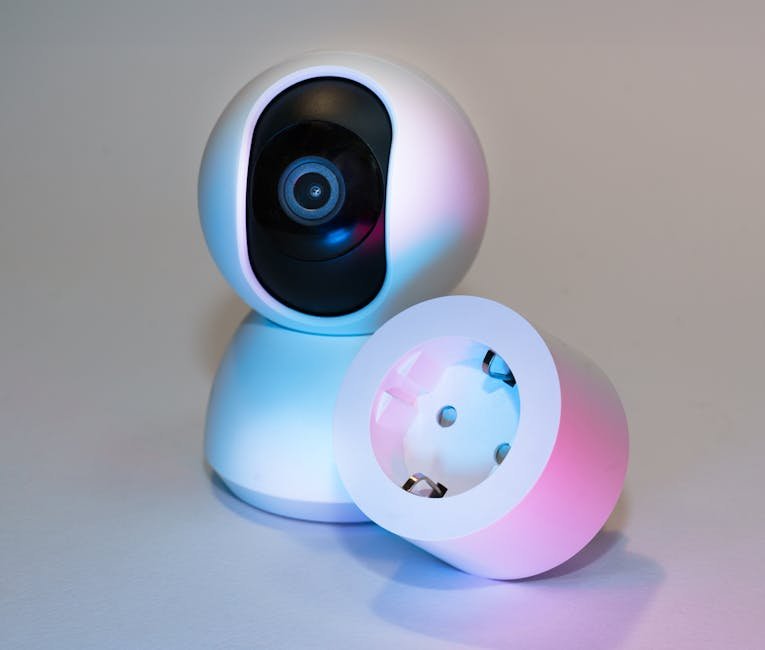
Smart plugs offer a simple and cost-effective way to automate the control of individual appliances and electronics, reducing standby power consumption and providing valuable energy usage data.
### Controlling Standby Power Consumption (Vampire Loads)
Many electronic devices continue to draw power even when they are turned off, a phenomenon known as “vampire loads” or “phantom loads.” Smart plugs allow you to completely cut off power to these devices when they are not in use, eliminating standby power consumption and saving energy. Common culprits include TVs, gaming consoles, chargers, and coffee makers.
### Scheduling Appliance Usage
Smart plugs can be used to schedule the operation of appliances like lamps, fans, and space heaters. This allows you to automate their usage and ensure that they are only running when necessary, reducing energy waste.
### Energy Monitoring & Reporting
Many smart plugs provide real-time energy monitoring and historical usage data. This allows you to track the energy consumption of individual appliances and identify areas where you can save energy.
### Voice Control & Remote Access
Smart plugs can be controlled via voice commands using smart home platforms like Amazon Alexa and Google Assistant. You can also remotely turn appliances on or off using a mobile app.
### Safety Features
Some smart plugs offer safety features like surge protection and overload protection, protecting your appliances from damage.
### Choosing the Right Smart Plug
When selecting a smart plug, consider factors like power rating, Wi-Fi connectivity, energy monitoring capabilities, and compatibility with your smart home ecosystem.
## Smart Irrigation Systems: Efficient Watering Practices
Smart irrigation systems optimize watering schedules based on weather conditions, soil moisture levels, and plant types, preventing overwatering and conserving water and energy.
### Weather-Based Watering Adjustments
Smart irrigation controllers automatically adjust watering schedules based on real-time weather data, including rainfall, temperature, humidity, and wind speed. This prevents overwatering during rainy periods and ensures that plants receive adequate water during dry spells.
### Soil Moisture Sensors
Soil moisture sensors measure the moisture content of the soil and provide feedback to the irrigation controller. This allows the controller to adjust watering schedules based on the actual needs of the plants, preventing both overwatering and underwatering.
### Plant-Specific Watering Schedules
Smart irrigation systems allow you to create customized watering schedules for different zones based on plant types and soil conditions. This ensures that each plant receives the optimal amount of water, maximizing plant health and conserving water.
### Remote Control & Monitoring
Smart irrigation controllers can be controlled and monitored remotely using a mobile app. This allows you to adjust watering schedules, view water usage reports, and troubleshoot problems from anywhere with an internet connection.
### Leak Detection & Prevention
Some smart irrigation systems include leak detection features that can alert you to leaks in your irrigation system, preventing water waste and potential damage.
By strategically implementing these automation technologies, you can significantly reduce your electric bills, conserve energy, and create a more comfortable and sustainable home environment. Remember to research and choose products that are compatible with your existing systems and align with your specific needs and budget.