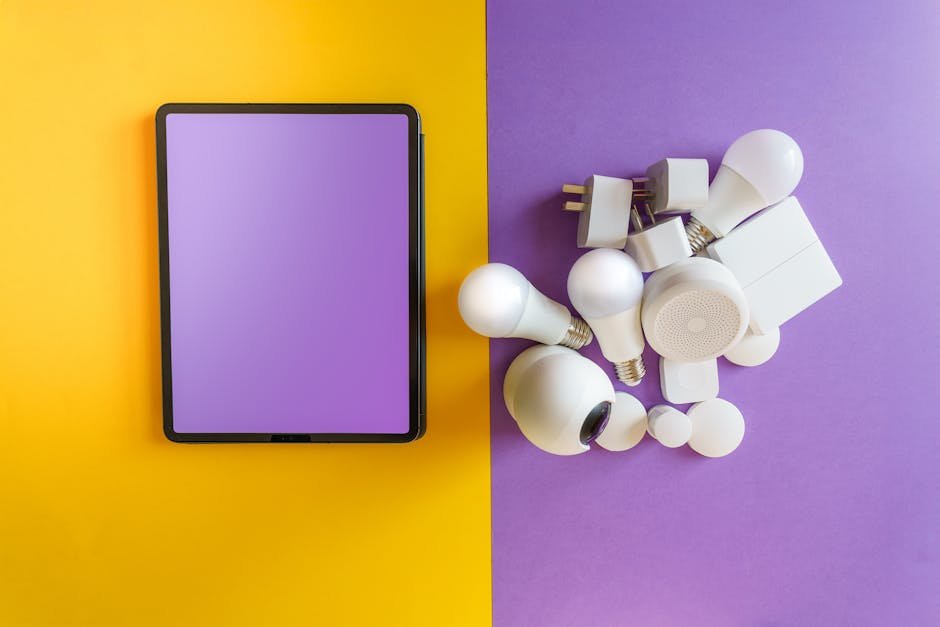
Smart homes are revolutionizing how we live, offering unprecedented convenience and control. However, without conscious effort, the energy consumption of these technologically advanced dwellings can quickly spiral out of control. This article explores practical, daily energy-saving tips specifically tailored for modern smart homes, helping you maximize efficiency, reduce your carbon footprint, and lower your utility bills.
1. Optimize Smart Thermostat Schedules:
- Personalized Zoning: Leverage your smart thermostat’s zoning capabilities to heat or cool only occupied areas. Program different schedules for each zone, aligning with your family’s routines.
- Automated Temperature Setbacks: Utilize the “away” mode or geofencing features to automatically lower the thermostat when the last person leaves and raise it upon their return. Program setbacks of 7-10 degrees Fahrenheit for significant energy savings.
- Adaptive Learning: Allow your smart thermostat to learn your heating and cooling preferences. Most smart thermostats can adapt to your habits and optimize schedules accordingly, continuously improving energy efficiency.
- Seasonal Adjustments: Regularly review and adjust your thermostat schedule for seasonal changes. As the weather outside cools or warms, modify the temperature settings to reflect the shifting needs.
- Integrated Sensors: Connect your smart thermostat to occupancy sensors. These sensors detect when a room is unoccupied and automatically adjust the temperature, preventing unnecessary heating or cooling.
2. Smart Lighting Strategies for Reduced Consumption:
- LED Bulbs Exclusively: Replace all incandescent and halogen bulbs with energy-efficient LED bulbs. LEDs consume significantly less energy and last much longer, reducing both energy bills and replacement frequency.
- Smart Lighting Control: Integrate smart lighting systems with dimming capabilities. Dimming lights not only reduces energy consumption but also extends bulb life.
- Motion-Activated Lighting: Utilize motion sensors in areas with infrequent use, such as hallways, bathrooms, and closets. Lights turn on only when needed, minimizing wasted energy.
- Daylight Harvesting: Maximize natural light by opening blinds and curtains during the day. Smart lighting systems can automatically adjust artificial light levels based on the amount of natural light available.
- Scheduled Lighting: Program your smart lighting system to turn off lights in unoccupied rooms or areas at specific times. This prevents lights from being left on accidentally.
3. Smart Appliance Management for Peak Efficiency:
- Energy-Efficient Appliances: When purchasing new appliances, prioritize Energy Star certified models. These appliances are designed to consume less energy than standard models.
- Smart Washer and Dryer Optimization: Utilize the energy-saving settings on your smart washer and dryer. Wash clothes in cold water whenever possible and dry them on a lower heat setting.
- Dishwasher Efficiency: Run the dishwasher only when it’s fully loaded. Use the energy-saving cycle and air-dry dishes to conserve energy.
- Smart Refrigerator Management: Keep your refrigerator temperature at the recommended setting (37-40°F) and your freezer at 0°F. Regularly clean the condenser coils to ensure efficient operation.
- Power-Saving Modes: Enable power-saving modes on all compatible smart appliances. These modes reduce standby power consumption when the appliances are not in use.
4. Addressing Phantom Load with Smart Plugs:
- Identify Energy Vampires: Use a smart plug with energy monitoring capabilities to identify devices that consume significant power even when turned off (phantom load or vampire energy).
- Scheduled Power Outlets: Program smart plugs to automatically turn off devices during periods of inactivity, such as overnight or when you’re away from home.
- Remote Control: Use smart plugs to remotely turn off devices that are frequently left on accidentally, such as televisions, computers, and gaming consoles.
- Group Control: Group devices on a single smart plug and control them collectively. This allows you to easily turn off multiple devices with a single command.
- Voice Command Integration: Integrate smart plugs with voice assistants to conveniently turn off devices using voice commands.
5. Home Entertainment System Optimization:
- Power Strips with Master Control: Connect all entertainment devices to a power strip with a master control switch. Turn off the entire power strip when not in use to eliminate phantom load.
- Smart TV Energy Settings: Adjust the energy-saving settings on your smart TV, such as auto-dimming and screen timeout.
- AV Receiver Optimization: Ensure your AV receiver is configured to use power-saving modes when idle.
- Streaming Device Efficiency: Choose energy-efficient streaming devices and unplug them when not in use.
- Volume Control: Lowering the volume on your speakers and TV reduces the power consumption of your home theater system.
6. Smart Window Treatments and Natural Light Maximization:
- Automated Blinds and Shades: Install smart blinds or shades that automatically adjust based on the time of day and weather conditions. This can help regulate temperature and reduce the need for heating or cooling.
- Scheduled Adjustments: Program your smart window treatments to open and close at specific times to maximize natural light and minimize solar heat gain.
- Sunlight Sensors: Connect your smart window treatments to sunlight sensors that automatically adjust the blinds or shades based on the intensity of the sunlight.
- Insulated Window Treatments: Choose insulated blinds or shades to provide additional insulation and reduce heat transfer through windows.
- Strategic Placement: Strategically position window treatments to maximize natural light while minimizing glare and heat gain.
7. Water Heating Efficiency Through Smart Controls:
- Smart Water Heater Control: Install a smart water heater controller to monitor and adjust the water heater’s temperature settings.
- Scheduled Heating: Program the water heater to heat water only during specific times of the day, such as before showers or baths.
- Vacation Mode: Utilize the vacation mode feature to lower the water heater’s temperature when you’re away from home.
- Leak Detection: Choose a smart water heater controller with leak detection capabilities. This can help prevent water damage and wasted energy.
- Lower Thermostat Setting: Lower the water heater’s thermostat setting to 120°F (49°C) to save energy and prevent scalding.
8. Smart Irrigation for Efficient Water Usage:
- Weather-Based Irrigation: Install a smart irrigation system that uses weather data to adjust watering schedules. This prevents overwatering and conserves water.
- Soil Moisture Sensors: Connect your smart irrigation system to soil moisture sensors that monitor the moisture content of the soil. This ensures that plants receive the optimal amount of water.
- Zone Control: Utilize zone control to water different areas of your lawn and garden based on their specific needs.
- Leak Detection: Choose a smart irrigation system with leak detection capabilities to identify and fix leaks quickly.
- Scheduled Watering: Program your smart irrigation system to water during the early morning hours to minimize evaporation.
9. Smart Home Security and Energy Savings:
- Integrated Security System: Integrate your smart home security system with your smart thermostat and lighting system. When the alarm is triggered, the system can automatically turn off lights and lower the thermostat to deter intruders and save energy.
- Occupancy Simulation: Use your smart home security system to simulate occupancy when you’re away from home. This can deter burglars and make your home appear lived-in, even when it’s empty.
- Window and Door Sensors: Install window and door sensors to detect when windows or doors are left open. The system can then automatically adjust the thermostat to compensate for the energy loss.
- Remote Monitoring: Use your smart home security system to remotely monitor your home’s energy consumption and identify areas where you can save energy.
- Professional Monitoring: Consider professional monitoring services for your smart home security system. Many monitoring companies offer energy-saving tips and support.
10. Regular Maintenance and System Optimization:
- Software Updates: Regularly update the software on all your smart home devices. Updates often include performance improvements and energy-saving features.
- Device Compatibility: Ensure that all your smart home devices are compatible with each other. Incompatible devices can consume more energy and reduce the overall efficiency of your system.
- Professional Audits: Schedule regular energy audits with a qualified professional. An energy audit can identify areas where you can save energy and improve the efficiency of your smart home.
- Filter Replacement: Regularly replace air filters in your HVAC system to ensure optimal airflow and energy efficiency.
- Clean Sensors: Regularly clean sensors throughout your smart home to ensure accurate readings and optimal performance.
By implementing these daily energy-saving tips, you can transform your modern smart home into an energy-efficient haven, reducing your environmental impact and saving money on your utility bills. Remember that consistent effort and proactive management are key to maximizing the benefits of a smart home.