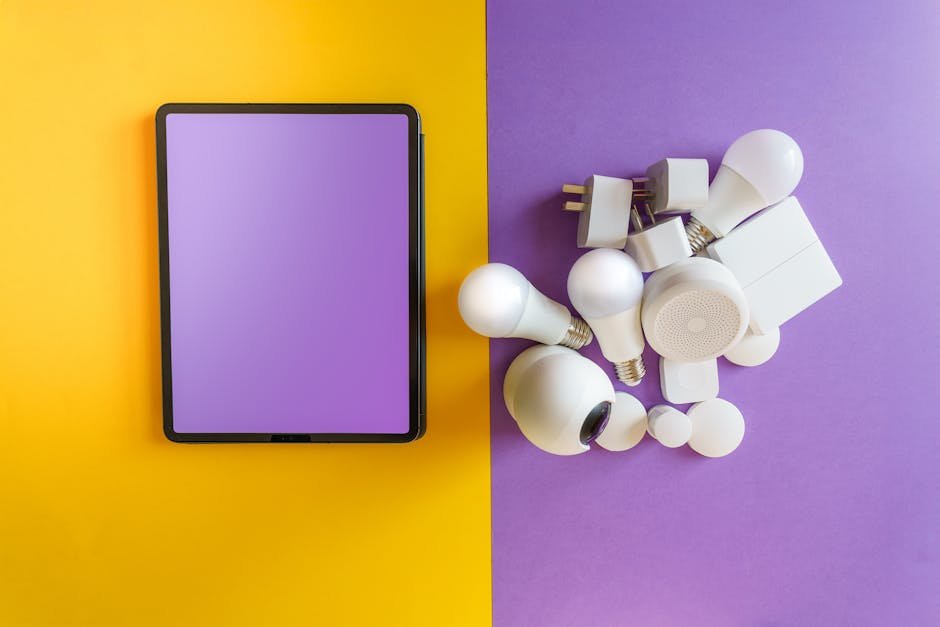
Energy-Saving Smart Appliances: Transforming Your Home into a Sustainable Haven
Smart appliances are revolutionizing how we interact with our homes, offering unprecedented control, convenience, and, crucially, energy efficiency. By leveraging connectivity and automation, these devices can significantly reduce energy consumption, lower utility bills, and contribute to a more sustainable lifestyle. This article delves into the world of energy-saving smart appliances, exploring their benefits, functionality, and how to effectively integrate them into your home.
Smart Thermostats: Intelligent Climate Control
At the forefront of energy-saving smart home technology are smart thermostats. These devices go beyond basic temperature adjustments, learning your habits and preferences to optimize heating and cooling schedules.
- Learning Algorithms: Smart thermostats utilize sophisticated algorithms to learn your daily routines. They identify when you typically wake up, leave for work, return home, and go to sleep. Based on this data, they automatically adjust the temperature accordingly, ensuring comfortable conditions only when needed.
- Geofencing Capabilities: Geofencing leverages your smartphone’s location to determine your proximity to home. As you approach, the thermostat can proactively adjust the temperature to your preferred setting. Conversely, when you leave, it can automatically set the system to an energy-saving mode.
- Remote Control and Monitoring: Smart thermostats allow you to remotely control and monitor your home’s temperature from anywhere via a smartphone app. This is particularly useful for adjusting the temperature if your schedule changes or ensuring your home is energy-efficient while you’re away.
- Energy Usage Reports: Many smart thermostats provide detailed energy usage reports, breaking down consumption by day, week, and month. This allows you to identify patterns and areas where you can further reduce energy waste.
- Integration with Smart Home Ecosystems: Seamless integration with other smart home devices, such as smart sensors and voice assistants, allows for even greater control and automation. For example, connecting a smart window sensor can automatically pause heating or cooling when a window is opened.
Smart Lighting: Illumination on Demand
Smart lighting systems offer far more than just remote control. They provide a range of energy-saving features that can significantly reduce your electricity bill.
- Programmable Schedules: Smart bulbs can be programmed to turn on and off according to a set schedule, eliminating the need to manually control each light. This is particularly useful for outdoor lighting or for simulating occupancy while you’re away.
- Dimming Capabilities: Dimming lights not only creates a more relaxing ambiance but also significantly reduces energy consumption. Smart bulbs allow you to adjust the brightness level remotely, ensuring you only use the necessary amount of light.
- Motion Sensors: Integrating motion sensors with your smart lighting system ensures that lights only turn on when needed. This is ideal for hallways, bathrooms, and other areas where lights are frequently left on unnecessarily.
- Daylight Harvesting: Some smart lighting systems can automatically adjust the brightness of your lights based on the amount of natural light available. This ensures optimal illumination while minimizing energy consumption.
- Color Control: While not directly energy-saving, the ability to change the color of your smart bulbs can enhance your mood and well-being, potentially reducing the need for other energy-consuming mood-enhancing devices.
Smart Refrigerators: Keeping Cool, Intelligently
Smart refrigerators are evolving beyond simple cooling devices, offering features designed to minimize energy waste and optimize food storage.
- Door Monitoring: Smart refrigerators can monitor how often the door is opened and for how long. Frequent and prolonged door openings can significantly increase energy consumption. The refrigerator can send alerts to your smartphone if the door is left open for too long.
- Temperature Monitoring and Control: Precise temperature control is crucial for food preservation and energy efficiency. Smart refrigerators allow you to monitor and adjust the temperature of different compartments remotely, ensuring optimal conditions for various food types.
- Inventory Management: Some smart refrigerators feature built-in cameras that allow you to view the contents of your refrigerator remotely. This helps you avoid unnecessary trips to the store and reduces food waste, which indirectly saves energy.
- Energy Saving Modes: Smart refrigerators often include dedicated energy-saving modes that automatically optimize cooling performance to minimize energy consumption. These modes may adjust the temperature slightly or reduce the frequency of defrost cycles.
- Integration with Smart Home Platforms: Connecting your smart refrigerator to your smart home platform allows for seamless integration with other devices, such as smart thermostats. For example, the refrigerator can communicate with the thermostat to optimize cooling performance based on the ambient temperature in the kitchen.
Smart Washing Machines and Dryers: Efficient Laundry Solutions
Smart washing machines and dryers offer a range of features designed to save water, energy, and time.
- Load Sensing Technology: Smart washing machines can automatically detect the size and type of load, adjusting the water level and wash cycle accordingly. This ensures optimal cleaning performance while minimizing water and energy consumption.
- Smart Drying Sensors: Smart dryers utilize sensors to detect the moisture level of clothes, automatically stopping the drying cycle when the clothes are dry. This prevents over-drying, which wastes energy and can damage fabrics.
- Remote Monitoring and Control: Smart washing machines and dryers can be remotely monitored and controlled via a smartphone app. This allows you to start, stop, and pause cycles from anywhere, ensuring your laundry is done efficiently.
- Energy Star Certification: When choosing a smart washing machine or dryer, look for the Energy Star certification. This indicates that the appliance meets strict energy efficiency guidelines established by the EPA.
- Specialized Wash Cycles: Smart washing machines often offer specialized wash cycles for different types of fabrics and stains. These cycles are designed to clean effectively while minimizing water and energy consumption.
Smart Dishwashers: Sparkling Clean, Sustainably
Smart dishwashers are designed to clean dishes effectively while minimizing water and energy consumption.
- Soil Sensors: Smart dishwashers utilize soil sensors to detect the level of dirtiness on the dishes, adjusting the wash cycle accordingly. This ensures optimal cleaning performance while minimizing water and energy waste.
- Load Sensing Technology: Similar to smart washing machines, smart dishwashers can automatically detect the size of the load, adjusting the water level and wash cycle accordingly.
- Delayed Start Option: The delayed start option allows you to program the dishwasher to run during off-peak hours when electricity rates are typically lower.
- Leak Detection: Some smart dishwashers feature leak detection sensors that can alert you to potential leaks, preventing water damage and saving water.
- Efficient Drying Systems: Smart dishwashers often utilize efficient drying systems that minimize energy consumption. These systems may use residual heat from the wash cycle or employ innovative air circulation techniques.
Maximizing Energy Savings with Smart Appliances
To truly maximize the energy-saving potential of smart appliances, consider these additional tips:
- Regular Maintenance: Regularly clean and maintain your appliances to ensure they are running efficiently. This includes cleaning refrigerator coils, cleaning lint filters in dryers, and descaling dishwashers.
- Optimal Placement: Position your appliances in locations that promote energy efficiency. For example, avoid placing your refrigerator near a heat source.
- Utilize Smart Home Integration: Integrate your smart appliances with other smart home devices to create a comprehensive energy management system.
- Monitor Energy Usage: Regularly monitor your energy usage to identify areas where you can further reduce consumption.
- Stay Informed: Stay up-to-date on the latest energy-saving technologies and best practices.
By embracing energy-saving smart appliances and implementing these strategies, you can transform your home into a sustainable haven, reduce your carbon footprint, and save money on your utility bills. The future of home energy management is here, and it’s intelligent, efficient, and empowering.