Decoding Your Electricity Bill: Understanding Consumption and Identifying Energy Vampires
Your electricity bill isn’t just a number; it’s a roadmap to understanding your household’s energy consumption. Deciphering the various components and pinpointing areas of high usage is the crucial first step toward lowering your expenses. Begin by carefully examining the bill itself.
Key Components of Your Electricity Bill:
- Kilowatt-hour (kWh) Usage: This represents the amount of electricity you’ve consumed in a given period. Pay close attention to the kWh consumption trend over the past months. A sudden spike could indicate a faulty appliance or a change in your energy habits.
- Billing Period: The duration for which you’re being charged.
- Rate per kWh: The cost you pay for each kilowatt-hour of electricity. This rate might be fixed or variable, depending on your electricity plan.
- Base Charge/Service Fee: A fixed monthly fee charged regardless of your energy usage.
- Taxes and Surcharges: Government-imposed taxes and fees levied on your electricity consumption. These often vary based on location.
- Peak Demand Charge (for some users): Charges based on your highest usage at any single point during the billing cycle. Common in commercial settings but sometimes applies to residential customers with smart meters and time-of-use pricing.
Once you understand the elements of your bill, start tracking your energy consumption. Most utility companies offer online portals or mobile apps where you can monitor your usage daily or even hourly. This allows you to identify patterns and correlate them with your activities.
Next, become a detective and hunt down those energy vampires – appliances and devices that drain power even when they’re turned off.
Identifying Energy Vampires:
- Electronics in Standby Mode: Televisions, DVD players, game consoles, and computers consume power even when switched off. Unplug them or use power strips with on/off switches to cut off the energy supply completely.
- Phone Chargers: These draw power even when they’re not charging a device. Unplug them when not in use.
- Kitchen Appliances: Microwaves, coffee makers, and toasters often have digital displays that consume energy continuously.
- Older Appliances: Older refrigerators, freezers, and other appliances tend to be less energy-efficient than newer models. Consider upgrading to Energy Star-certified appliances when replacements are needed.
- Water Heaters: These can be significant energy consumers, especially if they’re older or poorly insulated.
Using a power meter can help you quantify the energy consumption of individual appliances. Simply plug the appliance into the meter and monitor its wattage usage. This data allows you to prioritize which devices to unplug or replace.
Optimizing Home Lighting: Switching to LEDs and Maximizing Natural Light
Lighting accounts for a significant portion of your electricity bill. By optimizing your lighting strategy, you can drastically reduce your energy consumption without sacrificing brightness. The key lies in transitioning to energy-efficient light sources and maximizing the use of natural light.
The LED Revolution:
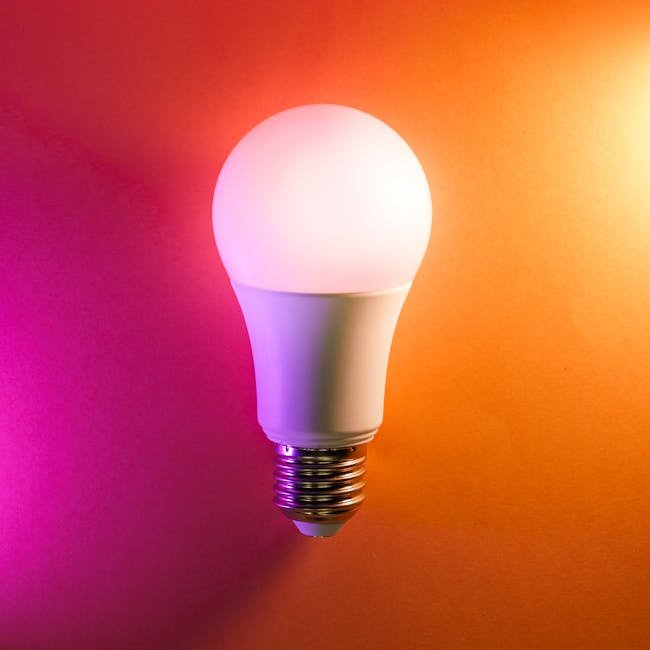
Incandescent light bulbs are incredibly inefficient, converting only about 5% of the energy they consume into light, while the rest is lost as heat. Compact fluorescent lamps (CFLs) are more efficient than incandescent bulbs but contain mercury, requiring careful disposal. Light-emitting diodes (LEDs) are the clear winner when it comes to energy efficiency, longevity, and safety.
- Energy Efficiency: LEDs consume up to 75% less energy than incandescent bulbs and last significantly longer.
- Lifespan: LEDs can last for 25,000 hours or more, reducing the frequency of replacements.
- Light Quality: LEDs are available in a wide range of color temperatures, allowing you to choose the perfect lighting for different rooms and purposes.
- Cost Savings: Although LEDs have a higher upfront cost, their energy efficiency and long lifespan result in significant cost savings over time.
- Environmental Impact: LEDs are mercury-free and consume less energy, reducing your carbon footprint.
Choosing the Right LEDs:
- Lumens: This measures the brightness of the bulb. Replace a 60-watt incandescent bulb with an LED that produces around 800 lumens.
- Color Temperature: Measured in Kelvin (K). Warm white (2700-3000K) is suitable for living rooms and bedrooms, while cool white (3500-4100K) is ideal for kitchens and bathrooms. Daylight (5000-6500K) is best for task lighting and workspaces.
- Energy Star Certification: Look for the Energy Star label to ensure the bulb meets strict energy efficiency standards.
Maximizing Natural Light:
- Open Curtains and Blinds: Let the sunlight flood into your home during the day.
- Clean Windows: Clean windows allow more light to pass through.
- Light-Colored Walls and Ceilings: These reflect light, making your rooms brighter.
- Strategic Mirror Placement: Mirrors can amplify natural light, making your rooms feel larger and brighter.
- Consider Skylights or Solar Tubes: These can bring natural light into dark areas of your home.
By switching to LEDs and maximizing natural light, you can significantly reduce your lighting energy consumption and lower your electricity bills.
Heating and Cooling Optimization: Thermostat Management and Home Insulation
Heating and cooling systems are often the biggest energy hogs in your home. Optimizing their efficiency through thermostat management, proper insulation, and regular maintenance can lead to substantial savings.
Thermostat Strategies:
- Programmable Thermostat: Invest in a programmable thermostat to automatically adjust the temperature based on your schedule. Set it to lower the temperature when you’re away from home or asleep.
- Smart Thermostat: Smart thermostats learn your preferences and automatically adjust the temperature to optimize energy savings. They can also be controlled remotely via a smartphone app.
- Consistent Temperature: Avoid drastic temperature changes. It’s more efficient to maintain a consistent temperature than to repeatedly heat or cool your home from a large temperature difference.
- Optimal Temperature Settings: In winter, set your thermostat to 68°F (20°C) when you’re home and lower it to 62°F (17°C) when you’re away or asleep. In summer, set your thermostat to 78°F (26°C) when you’re home and raise it to 85°F (29°C) when you’re away.
- Location Matters: Avoid placing your thermostat near heat sources, such as lamps or direct sunlight, as this can affect its accuracy.
The Importance of Insulation:
Proper insulation is crucial for maintaining a comfortable temperature and reducing energy waste.
- Attic Insulation: The attic is often the biggest source of heat loss in winter and heat gain in summer. Ensure your attic has adequate insulation. Aim for an R-value of R-30 to R-60, depending on your climate.
- Wall Insulation: Insulating your walls can significantly reduce energy loss. Consider adding insulation during renovations or new construction.
- Floor Insulation: Insulating floors, especially those above unheated spaces, can help prevent heat loss.
- Duct Insulation: Insulate heating and cooling ducts to prevent energy loss as air travels through them.
- Sealing Air Leaks: Seal cracks and gaps around windows, doors, and other openings to prevent drafts. Use caulk and weather stripping to seal these leaks.
Maintaining Your HVAC System:
Regular maintenance is essential for ensuring your heating and cooling system operates efficiently.
- Change Air Filters Regularly: Dirty air filters restrict airflow and force your system to work harder. Change them every 1-3 months, depending on usage.
- Schedule Professional Maintenance: Have your HVAC system serviced annually by a qualified technician. They can inspect and clean the system, identify potential problems, and ensure it’s operating efficiently.
- Clean Condenser Coils: Clean the outdoor condenser coils of your air conditioner regularly to improve airflow and efficiency.
- Consider Upgrading to Energy-Efficient Equipment: If your heating and cooling system is old and inefficient, consider upgrading to a newer, Energy Star-certified model.
By implementing these strategies, you can significantly reduce your heating and cooling energy consumption and lower your electricity bills.
Water Heating Efficiency: Reducing Hot Water Usage and Optimizing Tank Performance
Water heating is another significant contributor to your electricity bill. By reducing your hot water usage and optimizing the performance of your water heater, you can save a considerable amount of energy.
Reducing Hot Water Usage:
- Shorter Showers: Reduce your shower time by a few minutes each day.
- Low-Flow Showerheads: Install low-flow showerheads to reduce water consumption without sacrificing water pressure.
- Fix Leaky Faucets: Repair leaky faucets promptly, as they can waste a significant amount of hot water over time.
- Efficient Dishwashing: Run your dishwasher only when it’s full and use the energy-saving setting. Scrape food off dishes instead of rinsing them extensively.
- Efficient Laundry: Wash clothes in cold water whenever possible. Hot water is only necessary for heavily soiled items.
- Insulate Hot Water Pipes: Insulate exposed hot water pipes to reduce heat loss.
Optimizing Water Heater Performance:
- Lower the Thermostat Setting: Set your water heater thermostat to 120°F (49°C). This is hot enough for most uses and can save energy by reducing standby heat loss.
- Insulate Your Water Heater: Insulate your water heater tank with a blanket to reduce heat loss.
- Flush Your Water Heater Regularly: Flush your water heater annually to remove sediment buildup, which can reduce its efficiency.
- Consider a Tankless Water Heater: Tankless water heaters heat water only when you need it, eliminating standby heat loss.
- Time-of-Use Scheduling: If your utility company offers time-of-use pricing, schedule your water heater to operate during off-peak hours when electricity rates are lower.
- Heat Pump Water Heater: Consider upgrading to a heat pump water heater, which is significantly more energy-efficient than traditional electric water heaters.
By implementing these strategies, you can significantly reduce your water heating energy consumption and lower your electricity bills.
Appliance Efficiency: Choosing Energy Star and Practicing Smart Usage
Appliances play a significant role in your overall energy consumption. Choosing energy-efficient appliances and practicing smart usage habits can contribute to significant savings on your electricity bill.
Energy Star Appliances:
- Refrigerators: Choose an Energy Star-certified refrigerator. Older refrigerators are often highly inefficient.
- Dishwashers: Opt for an Energy Star-certified dishwasher with features like soil sensors and energy-saving cycles.
- Washing Machines: Select an Energy Star-certified washing machine with a high Modified Energy Factor (MEF) and low Water Factor (WF).
- Dryers: Consider a heat pump dryer, which is significantly more energy-efficient than traditional electric dryers.
- Ovens: Look for Energy Star-certified ovens with features like convection cooking, which can reduce cooking time and energy consumption.
Smart Appliance Usage:
- Refrigerator Efficiency: Keep your refrigerator coils clean and ensure the door seals are tight. Avoid overcrowding the refrigerator, as this can restrict airflow.
- Dishwasher Efficiency: Run your dishwasher only when it’s full and use the energy-saving cycle.
- Washing Machine Efficiency: Wash clothes in cold water whenever possible and avoid overloading the washing machine.
- Dryer Efficiency: Clean the lint filter after each load to improve airflow. Avoid over-drying clothes.
- Oven Efficiency: Avoid preheating the oven unless it’s necessary. Use the convection setting when available.
By choosing Energy Star appliances and practicing smart usage habits, you can significantly reduce your appliance energy consumption and lower your electricity bills. Remember to properly dispose of old appliances to minimize their environmental impact.