Smart Home, Smart Savings: Planning Energy-Efficient Upgrades
Energy bills are a significant household expense, and the increasing urgency of climate change necessitates sustainable living. Smart home technology offers a potent solution, allowing homeowners to optimize energy consumption and reduce their environmental footprint. However, implementing a truly energy-efficient smart home requires careful planning and strategic upgrades, not just haphazard gadget acquisition. This article provides a comprehensive guide to planning smart home upgrades specifically designed for energy savings.
1. Understanding Your Energy Consumption Baseline:
Before investing in any smart home technology, it’s crucial to understand your current energy usage patterns. This baseline will serve as a benchmark for measuring the effectiveness of your upgrades.
- Analyze Utility Bills: Scrutinize your monthly electricity and gas bills over the past year. Identify peak consumption periods, seasonal variations, and any noticeable spikes. Many utility companies provide online portals where you can track your usage trends visually. Look for correlations between usage and weather patterns or lifestyle changes (e.g., summer air conditioning, holiday lighting).
- Home Energy Audit: Consider a professional home energy audit. Auditors use specialized tools like infrared cameras and blower door tests to identify areas of energy loss, such as air leaks in windows and doors, inadequate insulation, and inefficient appliances. A professional audit will provide a detailed report with specific recommendations for improvement.
- DIY Energy Audit: If a professional audit isn’t feasible, conduct a DIY audit. Walk through your home, inspecting windows, doors, walls, ceilings, and appliances. Check for drafts, gaps, and signs of wear and tear. Pay attention to areas that feel particularly cold or hot. Use an energy meter to measure the wattage consumed by individual appliances when in use and in standby mode.
- Smart Meter Data: If your home is equipped with a smart meter, leverage the data it provides. Smart meters offer granular insights into your energy consumption, often broken down by time of day. This information can pinpoint specific appliances or activities that contribute most to your energy bill.
2. Prioritizing Energy-Saving Opportunities:
Once you have a clear understanding of your energy consumption, prioritize upgrades based on their potential for energy savings and return on investment (ROI).
- Insulation: Improving insulation is often the most cost-effective energy-saving measure. Adequate insulation in attics, walls, and basements minimizes heat loss in winter and heat gain in summer, reducing the load on your HVAC system. Consider upgrading to high-performance insulation materials like spray foam or rigid foam board.
- Air Sealing: Air leaks can significantly impact energy efficiency. Seal cracks and gaps around windows, doors, pipes, and electrical outlets. Use caulk, weather stripping, and expanding foam to create an airtight envelope. Focus on areas where different building materials meet.
- HVAC System Optimization: Heating and cooling account for a significant portion of household energy consumption.
- Smart Thermostats: Install a smart thermostat that learns your heating and cooling preferences and automatically adjusts the temperature based on occupancy, time of day, and weather conditions. Look for thermostats that are ENERGY STAR certified and offer features like geofencing (adjusting the temperature when you leave or approach home) and remote control via smartphone.
- HVAC Maintenance: Schedule regular maintenance for your HVAC system, including cleaning or replacing air filters, inspecting ductwork for leaks, and ensuring proper refrigerant levels. A well-maintained system operates more efficiently.
- Duct Sealing: Leaky ductwork can waste a significant amount of energy. Have your ducts inspected and sealed by a professional.
- Lighting: Switching to energy-efficient LED lighting is a simple and impactful upgrade. LEDs consume significantly less energy than traditional incandescent bulbs and last much longer.
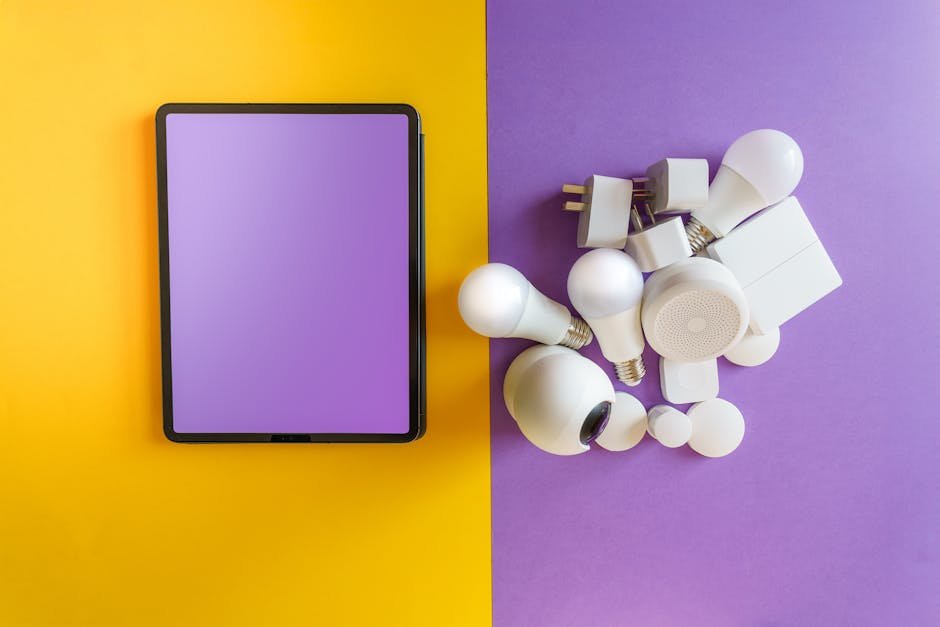
- Smart Lighting: Integrate smart lighting into your home. Smart bulbs can be controlled remotely via smartphone or voice assistant, allowing you to turn lights on or off, dim them, and even schedule them to automatically turn on and off at specific times.
- Motion Sensors: Install motion sensors in areas like hallways, closets, and garages to automatically turn lights on when someone enters and off when they leave.
- Water Heating: Water heating is another significant energy consumer.
- Tankless Water Heater: Consider upgrading to a tankless water heater, which only heats water on demand, eliminating standby heat loss.
- Water Heater Insulation: Insulate your existing water heater tank to reduce heat loss.
- Low-Flow Fixtures: Install low-flow showerheads and faucets to reduce water consumption without sacrificing water pressure.
- Smart Appliances: When replacing old appliances, choose ENERGY STAR certified smart appliances. Smart appliances can be controlled remotely, monitored for energy consumption, and even programmed to run during off-peak hours when electricity rates are lower. Look for features like smart refrigerators that track food inventory and suggest recipes to reduce food waste.
3. Choosing the Right Smart Home Platform:
Selecting a compatible and reliable smart home platform is crucial for seamless integration and control of your devices.
- Consider Your Needs: Determine which features are most important to you, such as voice control, remote access, scheduling, and compatibility with existing devices.
- Platform Compatibility: Ensure that the smart devices you choose are compatible with your chosen platform. Popular platforms include Apple HomeKit, Google Assistant, Amazon Alexa, and Samsung SmartThings.
- Security: Prioritize security when choosing a smart home platform and devices. Look for platforms that offer strong encryption and regular security updates.
- Ease of Use: Choose a platform that is easy to set up and use. Consider the user interface of the mobile app and the responsiveness of voice control.
4. Implementing a Smart Home Energy Management System:
A smart home energy management system provides a centralized dashboard for monitoring and controlling your energy consumption.
- Smart Plugs: Use smart plugs to monitor and control the energy consumption of individual appliances and devices. Smart plugs can be scheduled to turn devices on and off at specific times, preventing standby power drain.
- Energy Monitoring Systems: Install a whole-house energy monitoring system to track your overall energy consumption in real-time. These systems provide detailed insights into your energy usage patterns and can help you identify opportunities for further savings.
- Integration with Smart Thermostats: Integrate your smart thermostat with your energy management system to automatically adjust the temperature based on your energy consumption patterns.
5. Solar Power Integration:
If feasible, consider integrating solar power into your smart home.
- Solar Panels: Install solar panels on your roof to generate clean, renewable energy. Solar panels can significantly reduce your reliance on the grid and lower your electricity bills.
- Battery Storage: Consider adding battery storage to your solar panel system to store excess energy generated during the day and use it at night or during power outages.
- Smart Inverters: Use smart inverters to monitor the performance of your solar panel system and optimize energy production.
6. Monitoring and Optimizing:
Once your smart home upgrades are implemented, continuously monitor your energy consumption and optimize your settings for maximum savings.
- Track Energy Usage: Regularly track your energy usage using your utility bills, smart meter data, and energy monitoring system.
- Adjust Settings: Fine-tune your smart thermostat settings, lighting schedules, and appliance usage based on your energy consumption patterns.
- Regular Maintenance: Perform regular maintenance on your smart home devices to ensure they are functioning properly and efficiently.
By carefully planning and implementing these smart home upgrades, you can significantly reduce your energy consumption, lower your utility bills, and contribute to a more sustainable future. Remember to prioritize upgrades based on your specific needs and energy usage patterns, and continuously monitor and optimize your system for maximum savings.