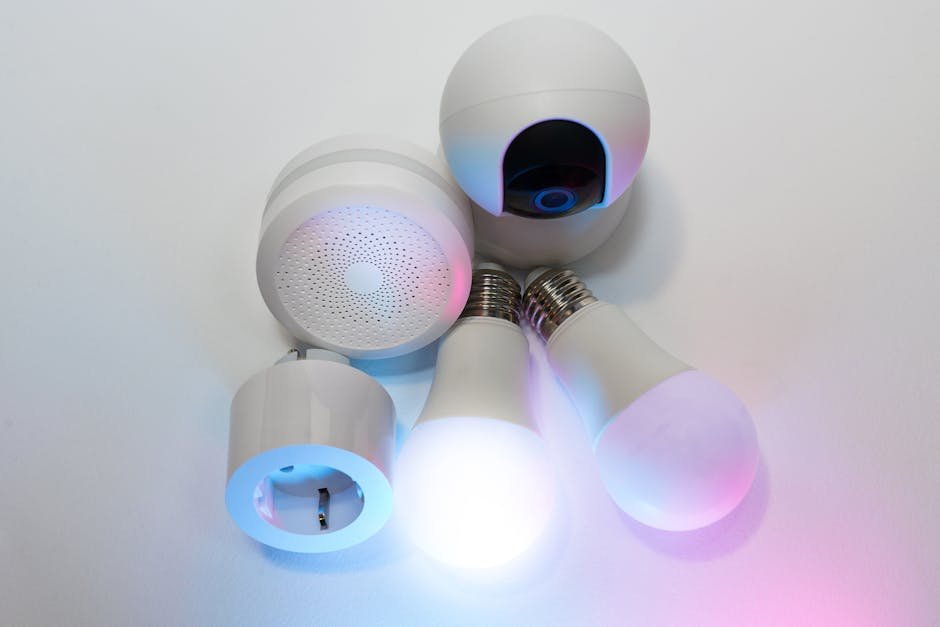
Smart Fan Controllers: Revolutionizing Energy Efficiency in Cooling Systems
Air conditioning and ventilation systems consume a significant portion of a building’s energy, often contributing to high electricity bills and a substantial carbon footprint. Smart fan controllers offer a compelling solution, enabling granular control and optimization of fan operation to minimize energy waste while maintaining optimal comfort levels. These sophisticated devices leverage advanced technologies, including sensors, microprocessors, and connectivity, to dynamically adjust fan speed and airflow based on real-time conditions and predefined parameters. This article explores the multifaceted benefits of smart fan controllers, delving into their working mechanisms, various types, applications, and the pivotal role they play in creating energy-efficient and sustainable environments.
Understanding the Core Functionality of Smart Fan Controllers
At their core, smart fan controllers are designed to regulate the speed of electric fans, typically in HVAC systems, server rooms, or industrial ventilation. Traditional fan systems often operate at a fixed speed, regardless of the actual cooling or airflow requirements. This leads to energy wastage during periods of low demand. Smart controllers, however, continuously monitor environmental factors like temperature, humidity, and occupancy levels using integrated sensors or external sensor networks.
Based on this real-time data, the controller utilizes sophisticated algorithms to determine the optimal fan speed. For example, if the temperature in a room is within the desired range and occupancy is low, the controller might reduce fan speed significantly, thereby conserving energy. Conversely, during periods of high heat or increased occupancy, the controller will increase fan speed to ensure adequate cooling and ventilation.
The core functionality extends beyond simple on/off control. Smart controllers employ proportional-integral-derivative (PID) control algorithms, allowing for precise and stable temperature regulation. PID controllers continuously compare the desired setpoint (e.g., target temperature) with the actual temperature and adjust the fan speed accordingly to minimize the error. This dynamic adjustment ensures that the system responds effectively to changing conditions, maintaining a consistent and comfortable environment without overshooting or undershooting the target.
Types of Smart Fan Controllers: Tailoring to Specific Needs
The market offers a diverse range of smart fan controllers, each catering to specific applications and performance requirements. Categorizing these controllers based on their features and capabilities provides valuable insights into selecting the most suitable option for a given scenario.
-
Standalone Controllers: These are self-contained units designed for individual fan control. They typically include integrated sensors, a microprocessor, and a user interface (e.g., LCD screen, buttons) for setting parameters. Standalone controllers are ideal for localized cooling or ventilation needs, such as in individual rooms or small equipment enclosures.
-
Networked Controllers: These controllers can be integrated into a building management system (BMS) or a local area network (LAN). They communicate with other devices and sensors, allowing for centralized monitoring and control of multiple fans across a facility. Networked controllers support various communication protocols, such as BACnet, Modbus, and TCP/IP, enabling seamless integration with existing infrastructure.
-
Variable Frequency Drive (VFD) Controllers: VFDs are a more sophisticated type of controller that precisely adjusts the frequency of the electrical power supplied to the fan motor. By varying the frequency, the VFD can control the fan speed with high precision and efficiency. VFDs are commonly used in large HVAC systems and industrial applications where precise airflow control and energy savings are paramount. They are particularly effective with AC induction motors.
-
DC Fan Controllers: These controllers are specifically designed for DC fans, which are often used in electronics cooling and smaller ventilation systems. They typically offer PWM (Pulse Width Modulation) control, allowing for fine-grained adjustment of fan speed by varying the duty cycle of the DC voltage.
-
Occupancy-Based Controllers: These controllers utilize occupancy sensors to detect the presence or absence of people in a room. When a room is unoccupied, the controller automatically reduces fan speed or shuts off the fan entirely, minimizing energy consumption.
Key Features and Benefits of Intelligent Fan Control
Beyond energy savings, smart fan controllers offer a multitude of benefits that contribute to improved performance, comfort, and overall system efficiency.
-
Significant Energy Reduction: By adjusting fan speed to match actual cooling needs, smart controllers can reduce energy consumption by 30% to 70% compared to traditional fixed-speed fan systems. This translates into substantial cost savings on electricity bills.
-
Improved Comfort: Precise temperature control ensures a comfortable and consistent environment for occupants. PID control algorithms minimize temperature fluctuations and prevent overheating or overcooling.
-
Reduced Noise Levels: Lower fan speeds result in reduced noise levels, creating a more pleasant and productive environment. This is particularly beneficial in offices, classrooms, and residential settings.
-
Extended Fan Lifespan: Operating fans at lower speeds reduces wear and tear on the motor and bearings, extending the lifespan of the equipment.
-
Remote Monitoring and Control: Networked controllers allow for remote monitoring and control of fan systems from anywhere with an internet connection. This enables proactive maintenance and troubleshooting, minimizing downtime.
-
Data Logging and Analytics: Smart controllers can log historical data on temperature, humidity, fan speed, and energy consumption. This data can be analyzed to identify trends, optimize system performance, and detect potential issues.
-
Demand Response Capabilities: Some smart controllers can participate in demand response programs, automatically reducing fan speed during peak demand periods to help stabilize the grid and earn incentives.
Applications Across Diverse Sectors
The versatility of smart fan controllers makes them suitable for a wide range of applications across diverse sectors.
-
Commercial Buildings: In offices, retail stores, and hotels, smart fan controllers can optimize HVAC system performance, reducing energy consumption and improving occupant comfort.
-
Industrial Facilities: In factories and manufacturing plants, smart controllers can regulate ventilation systems, remove heat and fumes, and maintain a safe and comfortable working environment.
-
Data Centers: Data centers generate significant amounts of heat, requiring efficient cooling systems. Smart fan controllers can optimize fan speed based on server load, minimizing energy consumption and preventing overheating.
-
Residential Buildings: In homes and apartments, smart fan controllers can improve the efficiency of ceiling fans, exhaust fans, and HVAC systems, reducing energy bills and enhancing comfort.
-
Agriculture: In greenhouses and livestock buildings, smart fan controllers can regulate ventilation systems to maintain optimal temperature and humidity levels for plant growth and animal welfare.
Implementation Considerations and Best Practices
Implementing smart fan controllers effectively requires careful planning and consideration of several factors.
-
Load Analysis: Conduct a thorough analysis of the fan load to determine the optimal controller type and size.
-
Sensor Placement: Strategically place sensors to accurately monitor temperature, humidity, and occupancy levels.
-
Communication Protocols: Select a controller that supports the appropriate communication protocols for integration with existing BMS or LAN.
-
Programming and Configuration: Properly program and configure the controller to meet specific requirements.
-
Regular Maintenance: Perform regular maintenance to ensure optimal performance and longevity.
-
Integration with BMS: Integrate the controller with a building management system for centralized monitoring and control.
-
User Training: Provide adequate training to building operators on how to use and maintain the controller.
Smart fan controllers represent a significant advancement in energy efficiency and cooling system management. By leveraging advanced technologies and intelligent algorithms, these devices enable precise control of fan speed, leading to substantial energy savings, improved comfort, and reduced operational costs. As energy costs continue to rise and concerns about climate change intensify, the adoption of smart fan controllers will undoubtedly play a crucial role in creating more sustainable and efficient built environments.