Smart Gadgets: Revolutionizing Everyday Life Through Connected Technology
The proliferation of smart gadgets has transformed our homes, workplaces, and personal lives, offering unprecedented convenience, efficiency, and control. These devices, interconnected through the Internet of Things (IoT), leverage sensors, software, and connectivity to automate tasks, provide real-time information, and enhance our overall experience. Understanding the diverse landscape of smart gadgets, their underlying technologies, and their potential impact is crucial in navigating this increasingly connected world.
Home Automation: The Smart Home Ecosystem
The smart home is arguably the most visible manifestation of smart gadget technology. At its core lies the ability to control various aspects of the home environment remotely and automatically.
-
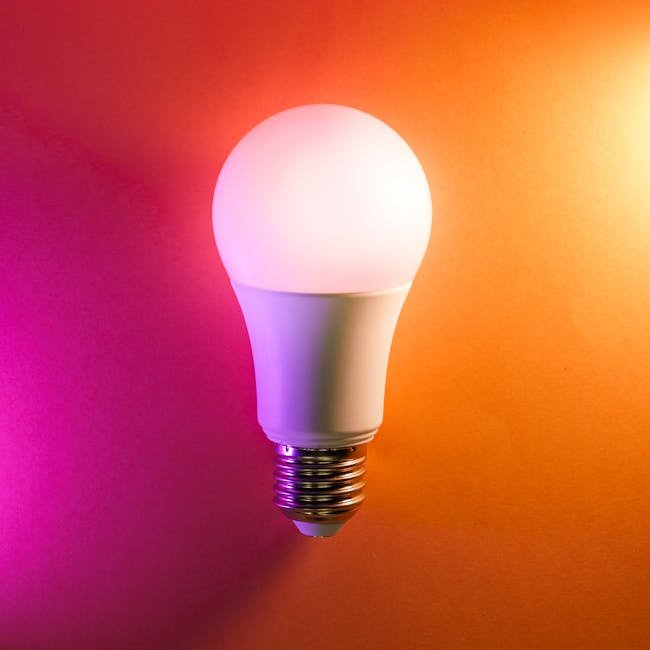
Smart Lighting: Beyond simply turning lights on and off, smart lighting systems allow users to adjust brightness, color temperature, and even create customized scenes for different moods or activities. Bulbs like Philips Hue and LIFX offer extensive customization options controlled via smartphone apps or voice assistants. The energy-saving potential is significant, with scheduling and motion-sensing capabilities minimizing unnecessary usage.
-
Smart Thermostats: Devices like Nest and Ecobee learn your heating and cooling preferences and adjust the temperature accordingly, optimizing energy consumption and reducing utility bills. They also offer remote control, allowing you to pre-heat or cool your home before arrival. Geo-fencing capabilities automatically adjust the temperature based on your location.
-
Smart Security Systems: These systems provide enhanced home security through connected cameras, door and window sensors, and smart locks. Companies like Ring, SimpliSafe, and ADT offer comprehensive packages that can be monitored remotely via smartphone. Real-time alerts, video recording, and two-way communication provide peace of mind and deter potential intruders. Smart locks, like those from August or Schlage, offer keyless entry and remote access management.
-
Smart Appliances: Refrigerators, washing machines, ovens, and dishwashers are becoming increasingly intelligent. Smart refrigerators can track inventory, suggest recipes based on available ingredients, and even order groceries automatically. Smart washing machines can optimize wash cycles based on fabric type and soil level. Smart ovens can be controlled remotely, allowing you to preheat them on your way home. These appliances often feature diagnostic capabilities, alerting you to potential problems before they escalate.
-
Smart Entertainment: Smart TVs, streaming devices (like Roku and Amazon Fire TV), and smart speakers (like Amazon Echo and Google Home) are central to modern home entertainment. Voice control allows you to navigate menus, play music, and control other smart devices with simple commands. Streaming services provide access to a vast library of movies, TV shows, and music.
Wearable Technology: Personal and Proactive
Wearable gadgets have moved beyond simple fitness trackers to become sophisticated tools for health monitoring, communication, and productivity.
-
Smartwatches: Devices like Apple Watch, Samsung Galaxy Watch, and Fitbit offer a wide range of functionalities, including fitness tracking, heart rate monitoring, sleep analysis, notifications, and even cellular connectivity for making calls and sending texts. They can also run third-party apps, extending their capabilities even further.
-
Fitness Trackers: These devices are primarily focused on tracking physical activity, such as steps taken, distance traveled, calories burned, and sleep patterns. They often include features like heart rate monitoring and GPS tracking. Popular brands include Fitbit, Garmin, and Xiaomi.
-
Smart Clothing: Clothing embedded with sensors can track various biometrics, such as heart rate, body temperature, and muscle activity. This technology is used in sports apparel to monitor performance and in healthcare to track patient vitals.
-
Smart Glasses: Devices like Google Glass (Enterprise Edition) and Vuzix Blade offer augmented reality (AR) experiences, overlaying digital information onto the real world. They are used in various industries, including manufacturing, logistics, and healthcare, to improve efficiency and productivity.
Smart Health: Monitoring and Wellness
Smart gadgets are playing an increasingly important role in healthcare, enabling remote patient monitoring, personalized wellness programs, and improved diagnosis.
-
Remote Patient Monitoring (RPM) Devices: These devices allow healthcare providers to monitor patients remotely, tracking vital signs, medication adherence, and other relevant data. They can include blood pressure monitors, glucose meters, pulse oximeters, and wearable sensors. RPM can improve patient outcomes, reduce hospital readmissions, and lower healthcare costs.
-
Smart Scales: These scales track weight, body fat percentage, muscle mass, and other metrics, providing a comprehensive view of body composition. They can sync data with smartphone apps, allowing users to track their progress over time and set goals.
-
Smart Sleep Trackers: These devices monitor sleep patterns, including sleep duration, sleep stages, and heart rate variability. They can provide insights into sleep quality and offer personalized recommendations for improving sleep habits.
-
Smart Medication Dispensers: These devices help patients manage their medications by dispensing the correct dosage at the correct time. They can also send reminders to patients and notify caregivers if a dose is missed.
Smart Transportation: Connected Mobility
Smart gadgets are transforming the way we travel, making transportation safer, more efficient, and more convenient.
-
Smart Cars: Modern cars are equipped with a wide range of smart features, including advanced driver-assistance systems (ADAS), infotainment systems, and connectivity features. ADAS technologies, such as adaptive cruise control, lane departure warning, and automatic emergency braking, enhance safety and prevent accidents. Infotainment systems provide access to navigation, entertainment, and communication features.
-
Smart Bikes: These bikes are equipped with GPS tracking, anti-theft features, and performance monitoring capabilities. They can track speed, distance, and calories burned, providing valuable data for cyclists.
-
Smart Helmets: Smart helmets offer enhanced safety and communication features for motorcyclists and cyclists. They can include integrated Bluetooth headsets, GPS navigation, and rear-view cameras.
-
Smart Luggage: Smart luggage includes features like GPS tracking, built-in scales, and USB charging ports. They can also be remotely locked and unlocked via smartphone.
Challenges and Considerations
While smart gadgets offer numerous benefits, it’s important to consider the potential challenges and drawbacks:
-
Security and Privacy: Smart gadgets collect vast amounts of personal data, raising concerns about security and privacy. It’s crucial to choose devices from reputable manufacturers with robust security measures and to carefully review privacy policies.
-
Interoperability: Not all smart gadgets are compatible with each other, creating fragmentation in the smart home ecosystem. Standards like Matter are aiming to improve interoperability and make it easier to connect devices from different manufacturers.
-
Cost: Smart gadgets can be expensive, particularly high-end models with advanced features. It’s important to weigh the costs against the benefits before making a purchase.
-
Technical Issues: Like any technology, smart gadgets can experience technical issues, such as connectivity problems, software bugs, and hardware failures. It’s important to choose devices with reliable performance and good customer support.
-
Dependence: Over-reliance on smart gadgets can lead to a decline in manual skills and a dependence on technology. It’s important to maintain a balance and avoid becoming overly reliant on automated systems.
Smart gadgets represent a transformative technology with the potential to improve our lives in numerous ways. By understanding the diverse landscape of smart gadgets, their underlying technologies, and their potential challenges, we can make informed decisions about incorporating them into our lives. Future advancements will likely bring even more sophisticated and integrated smart gadgets, further blurring the lines between the physical and digital worlds.