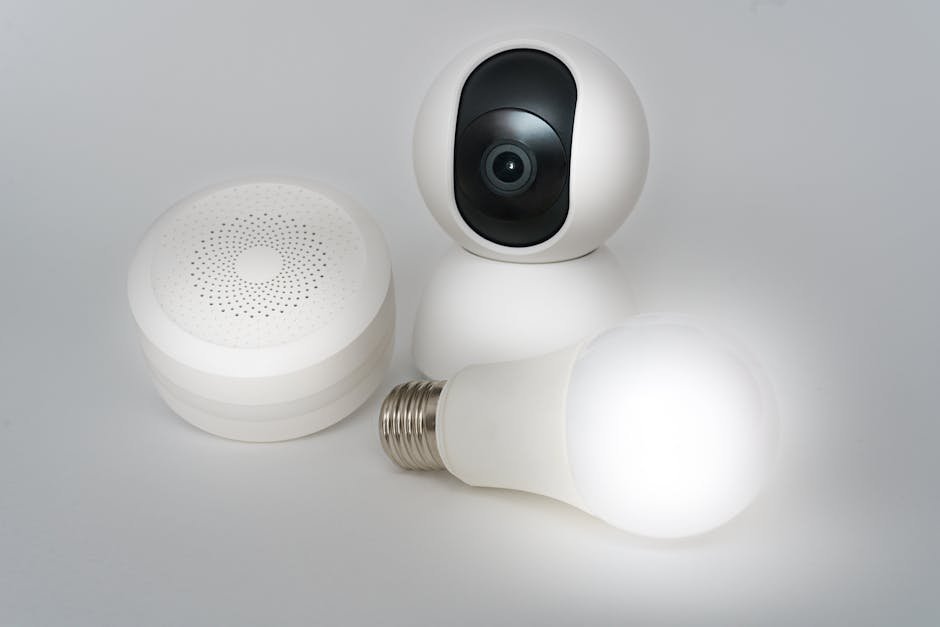
Smart Home Automation for Night-Time Energy Saving: A Comprehensive Guide
Night-time presents a unique landscape for energy consumption. Many appliances sit idle, yet vampire power draw persists. Lighting requirements shift, and temperature regulation becomes crucial for sleep comfort. Smart home automation offers a potent arsenal of tools to drastically reduce nocturnal energy waste, creating a more sustainable and cost-effective living environment. This article delves into the specific strategies and technologies that empower homeowners to leverage smart automation for optimal night-time energy saving.
1. Smart Lighting: Beyond the On/Off Switch
Smart lighting is fundamental to night-time energy conservation. It transcends basic illumination, enabling precise control over brightness, color temperature, and scheduling.
-
Occupancy Sensors: Motion detectors, integrated into smart bulbs or as standalone devices, are highly effective in minimizing wasted light. They automatically switch lights on when someone enters a room and off when it’s unoccupied. Consider installing them in hallways, bathrooms, and walk-in closets, areas where lights are often left on inadvertently. Explore sensitivity settings to avoid false triggers, especially in rooms with pets.
-
Scheduling and Timers: Set specific schedules for outdoor and indoor lighting based on sunset and sunrise times. Many smart lighting systems offer astronomical timers that automatically adjust to changing seasons. Dimming lights automatically as bedtime approaches can also promote melatonin production and improve sleep quality while reducing energy usage.
-
Dimming Capabilities: Lowering the brightness of lights significantly reduces energy consumption. Smart bulbs and dimmers allow for granular control over light intensity. Implement a strategy of gradually dimming lights in the evening to create a relaxing atmosphere and save energy simultaneously. Consider using scenes or routines that automatically adjust light levels based on time of day.
-
Color Temperature Adjustment: Blue light emitted from electronic devices and some light bulbs can disrupt sleep patterns. Smart bulbs with adjustable color temperature allow you to shift towards warmer, amber hues in the evening, minimizing blue light exposure and promoting better sleep. Experiment with different color temperatures to find what works best for your sleep cycle.
-
Voice Control Integration: Control your lights hands-free using voice assistants like Amazon Alexa or Google Assistant. Turn off all the lights in the house with a single voice command before bed, ensuring no lights are left on accidentally.
2. Smart Thermostats: Optimizing Sleep Temperature
Maintaining a comfortable sleep temperature is vital for restful sleep. Smart thermostats provide precise control over heating and cooling, allowing you to optimize energy consumption while ensuring a comfortable night’s rest.
-
Night-Time Temperature Setback: Studies show that a slightly cooler room temperature promotes better sleep. Program your smart thermostat to automatically lower the temperature by a few degrees before bedtime. This simple adjustment can significantly reduce heating costs during the winter months.
-
Zoned Heating and Cooling: If you have a multi-zone HVAC system, use smart thermostats to control the temperature in each zone independently. Turn down the heat or air conditioning in unused rooms at night, focusing energy on occupied bedrooms. This targeted approach maximizes efficiency and reduces overall energy waste.
-
Learning Algorithms: Some smart thermostats use machine learning to adapt to your heating and cooling preferences over time. They learn your sleep schedule and adjust the temperature accordingly, optimizing energy consumption without sacrificing comfort.
-
Geofencing: Use geofencing to automatically adjust the thermostat based on your location. When you leave home, the thermostat can lower the temperature to conserve energy. When you’re approaching home, it can begin pre-heating or pre-cooling the house to ensure a comfortable arrival.
-
Window and Door Sensors: Integrate window and door sensors with your smart thermostat. If a window or door is left open, the thermostat can automatically shut off the heating or air conditioning to prevent energy waste.
3. Smart Plug Management: Tackling Vampire Power
Many electronic devices continue to draw power even when they’re turned off. This “vampire power” can contribute significantly to your energy bill. Smart plugs offer a simple and effective way to eliminate this wasteful energy consumption.
-
Scheduling Power Off: Use smart plugs to automatically turn off devices that are not in use at night, such as televisions, gaming consoles, and chargers. Set a schedule to cut power to these devices at bedtime and restore power in the morning.
-
Energy Monitoring: Some smart plugs provide energy monitoring capabilities, allowing you to track the power consumption of connected devices. This information can help you identify energy hogs and make informed decisions about how to reduce your energy footprint.
-
Remote Control: Turn off devices remotely using your smartphone or tablet. If you forget to turn off a lamp or appliance before leaving home, you can easily switch it off from anywhere.
-
Grouping for Efficiency: Group smart plugs together to control multiple devices simultaneously. For example, create a group for all the electronics in your entertainment center and turn them all off with a single command.
4. Smart Blinds and Curtains: Natural Light and Heat Control
Smart blinds and curtains offer automated control over natural light and heat gain, contributing to both energy efficiency and comfort.
-
Automatic Closing at Sunset: Program your smart blinds to automatically close at sunset, preventing heat loss during the winter months and blocking unwanted light.
-
Scheduled Opening at Sunrise: Schedule the blinds to open at sunrise, allowing natural light to illuminate your home and reducing the need for artificial lighting.
-
Integration with Weather Data: Integrate your smart blinds with weather data to automatically adjust their position based on the outdoor temperature and sunlight intensity. This can help to regulate indoor temperature and reduce the load on your HVAC system.
-
Voice Control Operation: Raise or lower blinds with voice commands for hands-free adjustment based on your comfort preferences or changing outdoor conditions.
5. Smart Home Security Systems: Enhancing Security and Energy Awareness
Smart home security systems can contribute to night-time energy savings through enhanced awareness and integration with other smart devices.
-
Arming/Disarming Integration: Integrate your security system with your smart lighting and thermostat. When you arm the system for the night, it can automatically turn off lights and lower the thermostat.
-
Window/Door Sensor Integration: As mentioned with thermostats, integration of window/door sensors ensures HVAC systems disengage when breaches occur.
-
Motion-Activated Lighting Control: Use motion detectors from your security system to trigger smart lighting in specific areas, providing safety and security while minimizing unnecessary illumination.
6. Appliance Scheduling and Smart Grids:
Future-proof your energy savings by integrating appliances into a smart grid for scheduled operation.
-
Delayed Start Washing Machines/Dishwashers: Schedule these high-consumption appliances to run during off-peak hours, when energy rates are lower. Many smart appliances offer this feature directly.
-
Electric Vehicle Charging: Optimize EV charging schedules for night-time, leveraging lower overnight electricity rates (where applicable) and ensuring a fully charged vehicle in the morning.
7. Continual Monitoring and Adjustment:
The key to maximizing night-time energy savings lies in continuous monitoring and adapting your smart home settings.
-
Energy Consumption Dashboards: Regularly review energy consumption data from your smart devices and identify areas for improvement.
-
Seasonal Adjustments: Adjust your smart home schedules and settings to reflect changes in daylight hours and weather conditions.
-
Trial and Error: Experiment with different settings and strategies to find what works best for your home and your lifestyle.
By implementing these strategies and leveraging the power of smart home automation, you can significantly reduce your night-time energy consumption, save money, and create a more sustainable living environment.