Smart Lighting Systems: Illuminating the Path to Energy Savings
Smart lighting systems are rapidly transforming the way we illuminate our homes and businesses, offering a powerful blend of convenience, control, and, most importantly, energy efficiency. Going beyond simple on/off switches, these systems leverage advanced technologies to optimize light usage, reduce energy consumption, and contribute to a more sustainable future. Understanding the components, functionalities, and implementation strategies of smart lighting is crucial for maximizing its energy-saving potential.
Core Components of a Smart Lighting System:
At the heart of a smart lighting system lies a collection of interconnected components working in concert. These include:
-
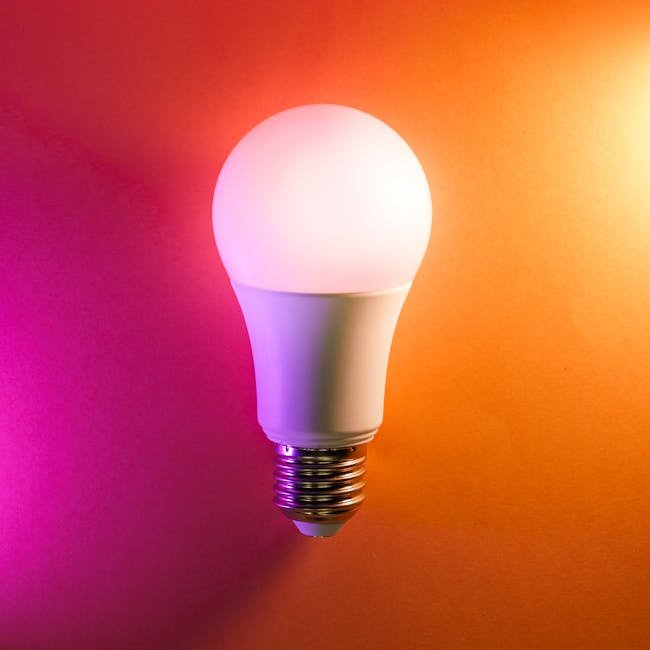
Smart Bulbs: These are LED bulbs equipped with wireless communication capabilities (typically Wi-Fi, Bluetooth, or Zigbee/Z-Wave). They allow for individual control of brightness, color temperature, and even color, all remotely. LED technology itself is inherently energy-efficient, consuming significantly less power than traditional incandescent or halogen bulbs. Smart bulbs are the most common entry point into smart lighting.
-
Smart Switches and Dimmers: These devices replace traditional light switches and offer remote control, scheduling, and dimming functionalities. Unlike smart bulbs, they control the power supply to the connected fixture, allowing you to use regular, non-smart bulbs in some applications. Smart dimmers are particularly effective in reducing energy consumption as they allow you to adjust the light intensity to the exact level needed, avoiding unnecessary brightness.
-
Smart Sensors: Occupancy sensors detect movement and automatically turn lights on when someone enters a room and off when they leave. Daylight sensors measure the ambient light level and adjust the artificial lighting accordingly, reducing energy waste during daylight hours. Combining both occupancy and daylight sensors provides maximum energy savings.
-
Hubs and Gateways: These devices act as central control points, connecting all the smart lighting components and enabling communication between them and your smartphone or other control devices. Wi-Fi hubs connect directly to your home Wi-Fi network, while Zigbee and Z-Wave hubs use different wireless protocols and require a dedicated hub.
-
Control Interfaces (Apps, Voice Assistants): Smart lighting systems are typically controlled through mobile apps, allowing users to adjust settings, create schedules, and monitor energy usage from anywhere. Integration with voice assistants like Amazon Alexa, Google Assistant, and Apple Siri further enhances convenience, enabling hands-free control.
Key Energy-Saving Features and Functionalities:
Smart lighting systems offer a range of features designed to minimize energy consumption:
-
Remote Control: The ability to control lights remotely allows you to turn off lights left on accidentally, preventing unnecessary energy waste. You can also pre-program lights to turn on before you arrive home, enhancing security and convenience without leaving them on all day.
-
Scheduling and Timers: Set specific schedules for lights to turn on and off based on your daily routines. This is especially useful for outdoor lighting, where you can program lights to turn on at dusk and off at dawn, eliminating the need for manual adjustments.
-
Dimming: Dimming lights not only creates a more comfortable ambiance but also significantly reduces energy consumption. Reducing light output by 50% can often translate to a 40% reduction in energy use. Smart dimmers offer precise control over light intensity, allowing you to fine-tune energy consumption.
-
Occupancy Sensing: Automatically turning lights off when a room is unoccupied is one of the most effective ways to save energy. Occupancy sensors are ideal for areas with infrequent use, such as closets, bathrooms, and hallways.
-
Daylight Harvesting: Integrating daylight sensors allows the system to automatically adjust the brightness of artificial lighting based on the amount of natural light available. This feature is particularly beneficial in rooms with large windows or skylights.
-
Energy Monitoring: Many smart lighting systems provide detailed energy usage reports, allowing you to track your consumption patterns and identify areas where you can further reduce energy waste. This data-driven approach empowers you to make informed decisions about your lighting habits.
-
Geofencing: This feature uses your smartphone’s location to automatically turn lights on or off when you enter or leave a predefined area. This is particularly useful for outdoor lighting and can help prevent leaving lights on unnecessarily.
Choosing the Right Smart Lighting System for Your Needs:
Selecting the appropriate smart lighting system depends on your individual needs and priorities. Consider the following factors:
-
Compatibility: Ensure that the smart lighting components are compatible with your existing infrastructure, including your Wi-Fi network, smart home ecosystem, and electrical system.
-
Features: Identify the features that are most important to you, such as remote control, scheduling, dimming, occupancy sensing, or voice control.
-
Ease of Use: Choose a system that is easy to install, configure, and operate. User-friendly apps and intuitive interfaces are essential for a positive user experience.
-
Security: Select a system with robust security features to protect your privacy and prevent unauthorized access. Look for systems that use encryption and two-factor authentication.
-
Scalability: Choose a system that can be easily expanded as your needs evolve. Opt for modular systems that allow you to add new components as needed.
-
Cost: Compare the costs of different systems, considering both the initial investment and the long-term operating costs. Factor in the potential energy savings when evaluating the return on investment.
Installation and Implementation Best Practices:
Proper installation and implementation are crucial for maximizing the energy-saving potential of smart lighting systems.
-
Professional Installation: For complex installations or if you are unfamiliar with electrical work, consider hiring a qualified electrician.
-
Strategic Placement of Sensors: Position occupancy and daylight sensors strategically to ensure accurate detection and optimal performance. Avoid placing sensors in areas with obstructions or direct sunlight.
-
Configuration and Customization: Take the time to configure the system according to your specific needs and preferences. Create schedules, set dimming levels, and customize sensor settings to maximize energy savings.
-
Regular Maintenance: Periodically check the system for any issues, such as malfunctioning bulbs or connectivity problems. Replace batteries in wireless sensors as needed.
Benefits Beyond Energy Savings:
While energy efficiency is a primary benefit, smart lighting systems offer several other advantages:
-
Enhanced Security: Smart lighting can deter intruders by automatically turning lights on and off to simulate occupancy.
-
Increased Convenience: Remote control and voice control provide unparalleled convenience and flexibility.
-
Improved Ambiance: Dimming and color-changing capabilities allow you to create the perfect lighting ambiance for any occasion.
-
Personalized Lighting: Smart lighting systems allow you to customize lighting settings to your individual preferences.
-
Increased Home Value: Installing a smart lighting system can increase the value of your home.
Smart lighting systems represent a significant advancement in lighting technology, offering a compelling combination of energy savings, convenience, and enhanced living experiences. By carefully considering your needs, selecting the right system, and implementing it effectively, you can illuminate your world while reducing your energy footprint.